Advertorial | Sponsored content
Modern Skincare After 70
Advertorial
Modern Skincare After 70
Modern Skincare Digest
Home > Beauty > Regenative Marine DNA
At 71, My Doctor Said "There's Not Much We Can Do." Six Months Later, She Called Me Personally To Ask What I Was Using.
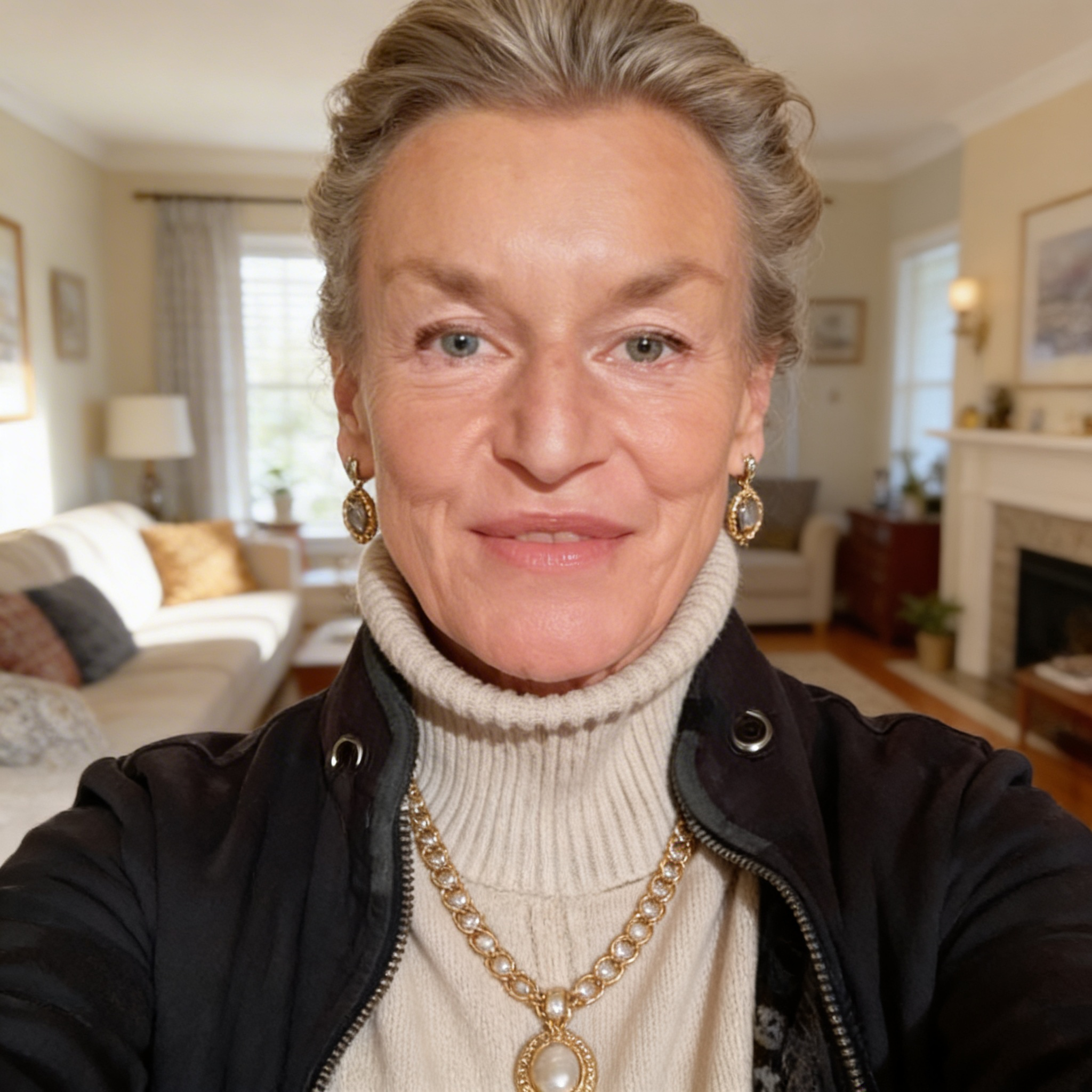
Posted By Eleanor Finch Verified • June 1, 2026 • 5 Min Read

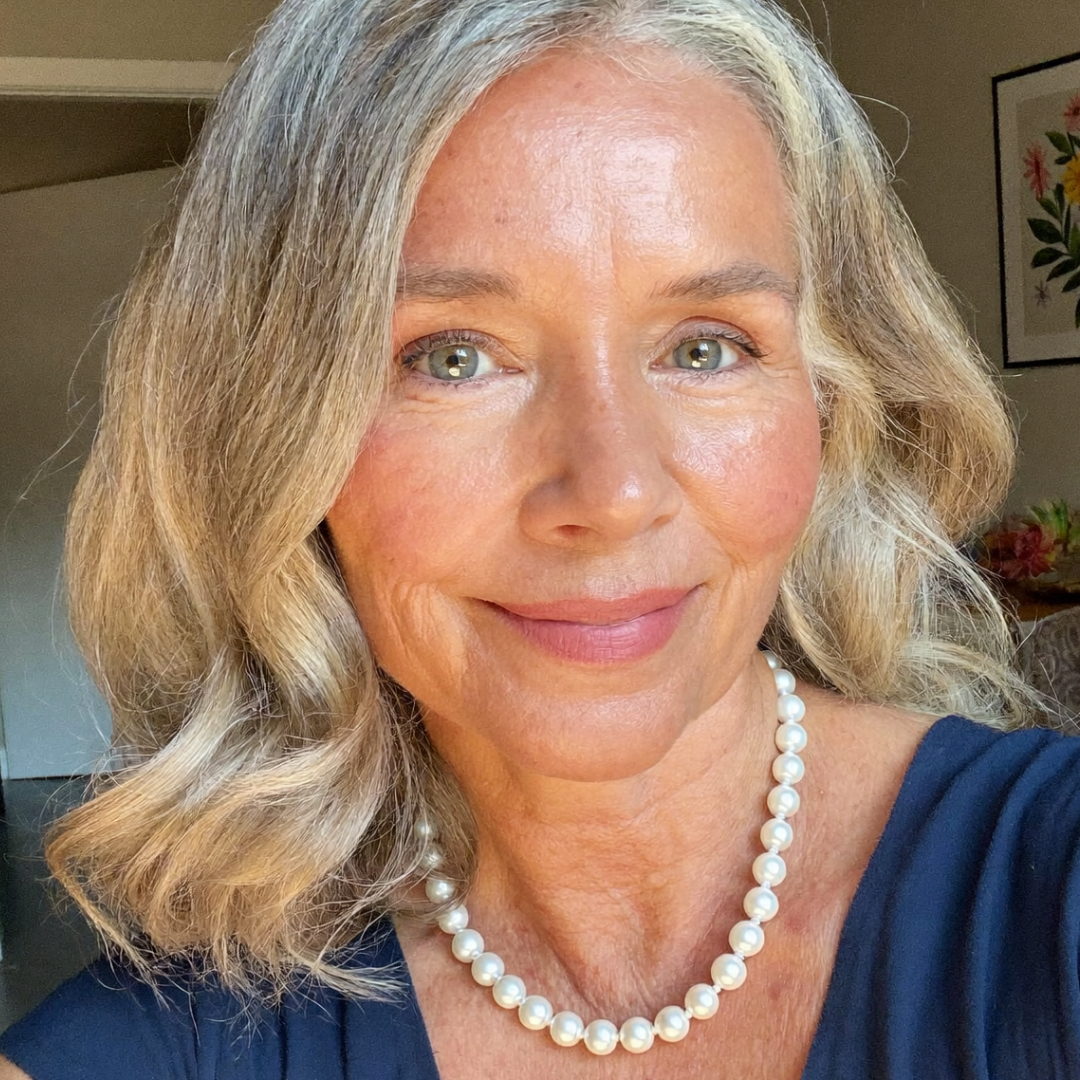
I Know Why You're Here...
Maybe it was a story that felt a little too familiar. Maybe it was a woman's face that stopped your scrolling - a woman your age who looked the way you used to feel, and something in your chest went very quiet for a second.
Maybe it was simpler than that. Maybe you just caught your reflection this morning and thought "that's not me."
I know that feeling. I lived inside it for years.
The woman staring back at you in the mirror doesn't match the woman you are inside. You feel 50. Your reflection says 80. And that gap - that silent, invisible gap - is one of the loneliest things a woman can carry.
You've tried things. Of course you have.
Every woman reading this has tried things.
The creams in the beautiful packaging that did absolutely nothing. The serum that cost more than your electric bill. The retinol your dermatologist recommended and left you exactly where you started. The collagen supplements. The jade roller. The LED mask your daughter bought you for your birthday that you used faithfully for two months and then put in the back of the cabinet.
And none of it really worked. Not the way you needed it to.
So you stopped believing. Stopped hoping. Started accepting that this is just what happens after 60. That your best skin is behind you. That there's "not much anyone can do."
I believed that too. Every word of it.
I was wrong.
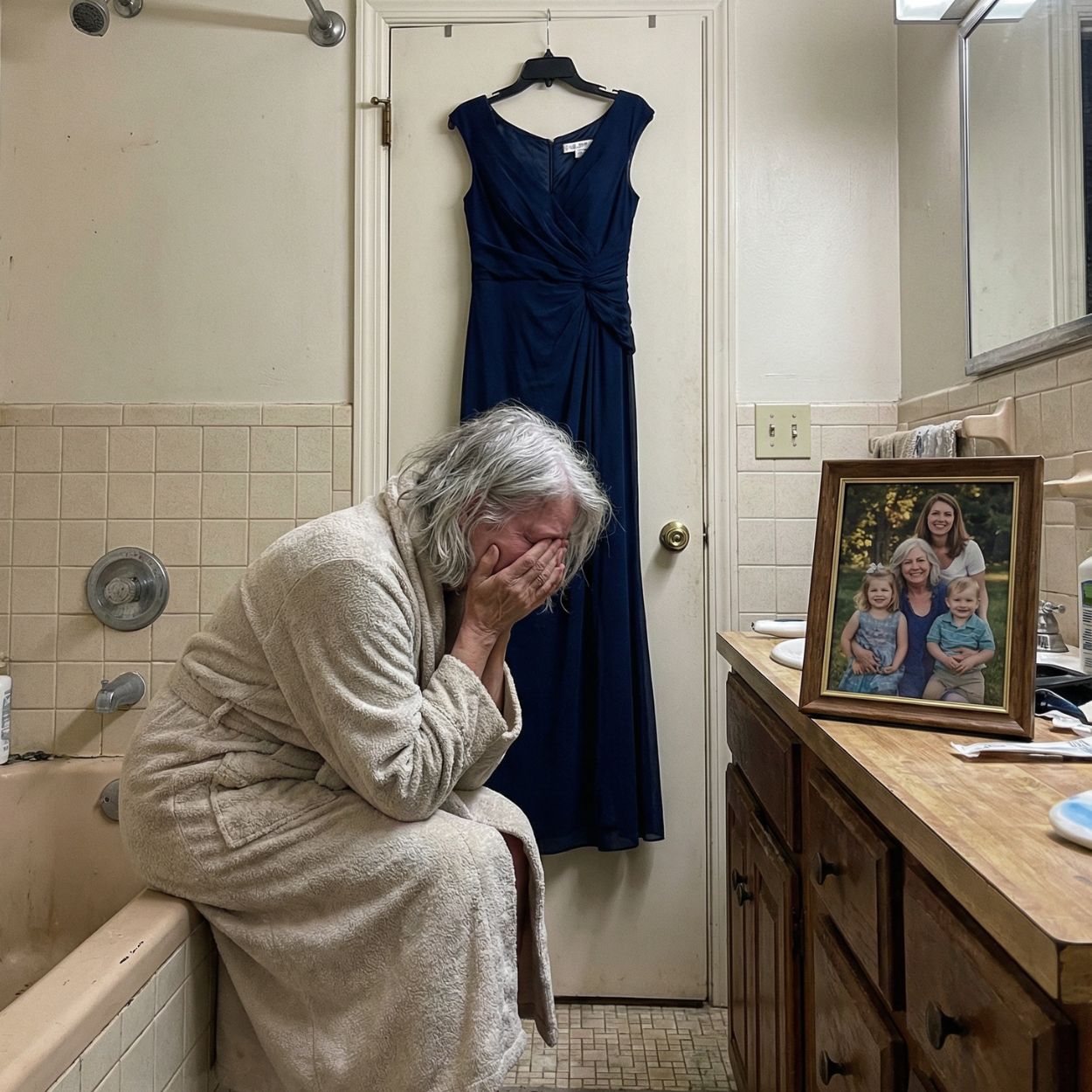
I Had Accepted That My Skin Was Done.
I want to tell you what happened next.
In my mid-sixties, I started accepting that my skin was done.
Not all at once. Gradually - the way you accept things that happen slowly, in increments too small to point to. One morning you notice a new hollowness. One month later a new depth to a line that used to be shallow. One year later you stop noticing because noticing has become too expensive.
By 71, I had stopped trying entirely.
And here is what I need you to understand about that: I did not stop trying because I was weak or vain or had given up on myself. I stopped trying because I had gathered enough evidence - real evidence, expensive evidence, years of faithful trying - to conclude that the tools available to me were simply not equal to the problem I had.
I was a reasonable woman making a reasonable conclusion.
I felt fifty on the inside. My mirror said something else entirely.
I tried to fix it. Of course I did.
And then, on a Thursday afternoon in March, I sat across from my dermatologist - a woman I had been seeing for nine years, a good doctor, a genuinely kind person - and she looked at my chart and looked at my face and said the five words I had been privately dreading:
"There's not much we can do."
She said it kindly.
Which somehow made it worse.
I drove home on the highway with the radio off and my hands at exactly ten and two and I thought about those five words for forty-five minutes.
Then I walked into my house and I stopped.
I stopped trying that day.
Stopped buying products. Stopped looking in mirrors. Covered the one in my bedroom with a scarf. Brushed my teeth staring at the faucet.
Started declining invitations.
"Mom, come to Carol's dinner."
"I can't."
"Mom, Sophie has a recital."
"I'll try." I didn't.
"Mom. What's going on?"
"Nothing. I'm fine."
I wasn't fine.
I was disappearing. Not dramatically - quietly. From photographs. From dinner tables. From recitals I should have been in the front row of. From the life that was still very much happening around me while I stood at its edge and watched from a careful distance.
She did not stop.
She called every week for four months with the specific stubborn persistence of a daughter who is watching her mother disappear from her own life one declined invitation at a time and has decided - without announcing it, without making it a confrontation - that this is not acceptable and she is not going to pretend otherwise.
I did not believe a different answer existed.
But Emily didn't stop pushing.
And one Sunday - a gray one, February, the specific colorless Sunday that February specializes in - she said something different.
She didn't say "try something."
She said: "I found something. I need you to listen to me for five minutes. That's all I'm asking. Two minutes."
I sat down at my kitchen table.
I gave her two minutes.
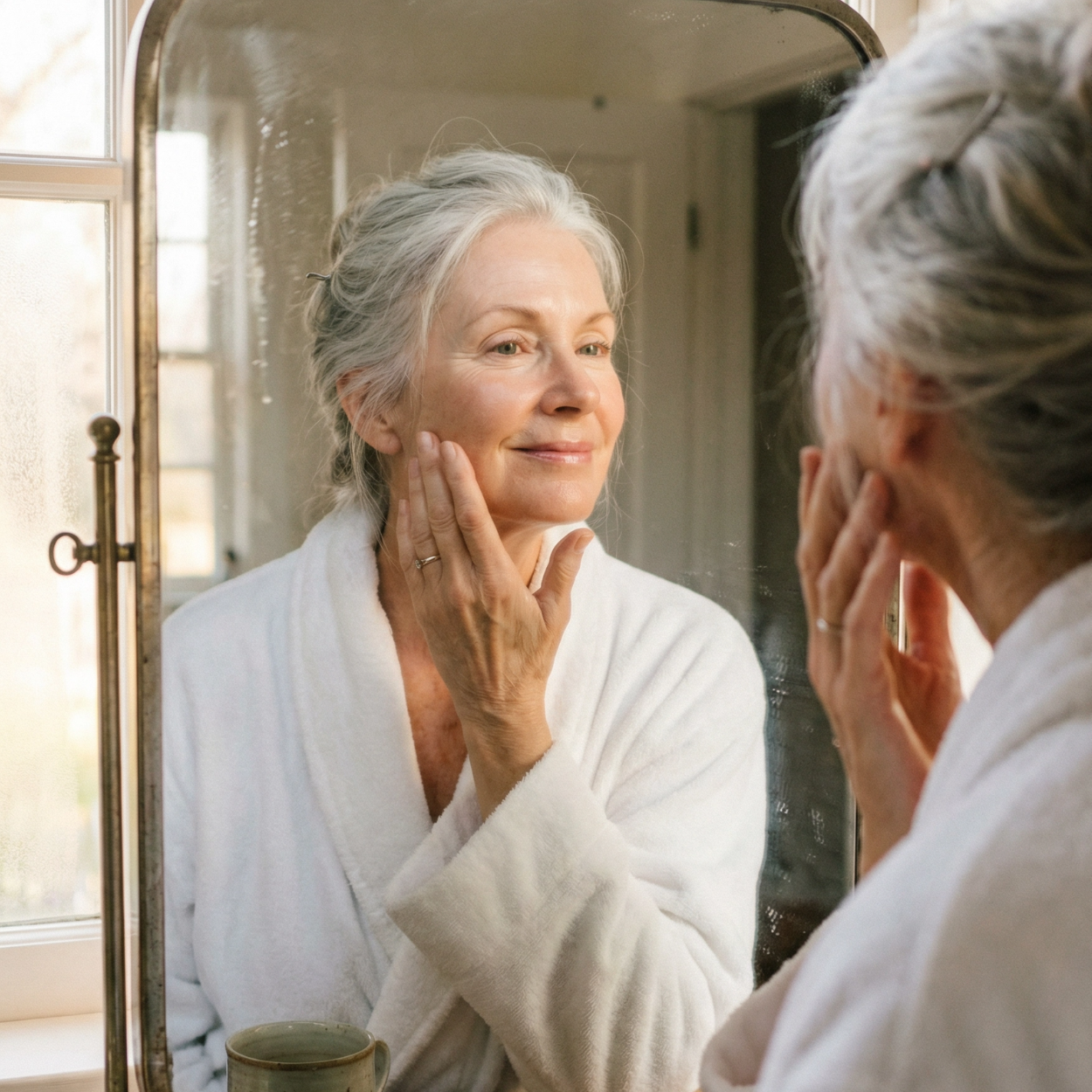
What she told me in those minutes changed everything.
"I've been talking to Margaret."
I sat back.
Margaret. My friend of thirty years. Retired nurse. The most unsentimental, impossible-to-fool, impossible-to-sell woman I have ever known in my life. The woman who, in three decades of friendship, has never once - not once - told me to buy a product. Not a vitamin. Not a supplement. Not a face cream. Nothing. Her philosophy has always been: if it actually worked, your doctor would have told you.
"Margaret told you to try something?" I said.
"She didn't tell me. She told me to tell you. She's been trying to call you for two months and you haven't been answering."
I had not been answering.
"Call her, Mom. Please. Just call her."
I called Margaret that evening.
She picked up on the second ring, which is unusual for Margaret, who treats the telephone with professional suspicion.
"Linda," she said. "I need you to listen to me."
When Margaret says those words, you listen. This is a woman who spent thirty years in critical care medicine. Who has seen everything. Who approaches health claims the way a prosecutor approaches testimony - with the assumption that the witness is wrong until the evidence proves otherwise.
"You know my niece Ji-Young?" she said.
"The dermatologist. In Seoul."
"She visited last month. She took one look at my face and said - and I'm quoting her exactly - 'Auntie, why are you still using American skincare? It isn't built for you.'"
"What does that mean?"
"That's what I asked. What she told me next made me furious, Linda. And you know I don't get furious easily."
What Ji-Young told Margaret - and what Margaret then told me, quietly, over the phone, while I sat at my kitchen table on a February evening - rearranged something fundamental in the way I understood the previous seven years of failing.
"After menopause," Margaret said, "our skin doesn't just wrinkle. It structurally collapses from the inside."

Collagen production doesn't slow down. It essentially stops. The entire scaffolding - the dense network of fibers in the dermis that keeps skin firm and lifted and thick — begins to crumble silently, from the inside out, while we stand at beauty counters buying things for the surface.
"And every product we've ever purchased?" Margaret continued. "Every cream, every serum, every $200 bottle with the clinical language on the label? Linda - it was designed for thirty-year-olds trying to prevent the first signs of damage. Not for women over sixty, or seventy whose skin has already fundamentally changed at the structural level."
"So nothing works for us?"
"Nothing American works for us. That's exactly the point."
She let that sit for a moment.
"Korean women figured this out decades ago. They don't treat post-menopausal skin as a cosmetic problem. They treat it as a medical condition. A structural collapse that requires rebuilding - not moisturizing, not temporarily plumping, not 'lifting' with peptides that talk to cells that stopped listening years ago. Actually rebuilding the collapsed structure from the inside."
"Margaret," I said. "You sound like an advertisement."
"Linda." A pause. "Look at my face."
I looked.
We were on FaceTime. The light in Margaret's kitchen is not flattering - she has always had overhead fluorescents that have never been kind to anyone, and I have told her this many times over many years, and she has never cared because Margaret does not organize her lighting around how it affects her appearance.
And Margaret looked different.
Not dramatically. Not in any way that announced itself. But her skin looked firmer. Warmer. More present. More alive in a way I couldn't immediately account for, looking at it through a phone screen in the unforgiving light of her fluorescent kitchen.
She looked like herself.
The Margaret I remembered from five years ago — before the gray quality settled in, before the hollowness, before all of it. The Margaret who had always seemed slightly ageless and then, gradually, hadn't.
She was back.
"Nothing American works for us. That's exactly the point."
"How long?" I asked.
"Three months. Sixty seconds. Morning and night. That's the complete routine."
"That's it?"
"That's it. Ji-Young told me that Korean women in their seventies have skin that American women in their late fifties dream about. And it's not genetics, Linda. It's not their diet or their water or some quality of their culture that we can't access. It's this specific science that Korean dermatology developed twenty years ago while American beauty companies were still selling us retinol and hoping we wouldn't notice it wasn't working."
I want to be honest about what I felt in that moment.
I did not feel hope.
Hope, by that point, had been spent. The seven years and the dermatologist's office and the covered mirror in my bedroom and the recital I didn't attend — all of that had spent what was left of my capacity for hope on this particular subject.
What I felt was something quieter and more cautious than hope.
I felt the specific, fragile thought of a woman who has been wrong about something before and knows it:
Maybe I'm wrong about this too.
Margaret doesn't exaggerate. In thirty years I have never heard her say something was better than it was. She is constitutionally incapable of exaggeration — it is one of her qualities that I find either admirable or maddening depending on the situation.
Margaret doesn't recommend things.
And Margaret's face, in her fluorescent kitchen at 9 PM on a February evening, was looking back at me through that phone screen and asking me to trust what my eyes were seeing.
"What's it called?" I asked.
"I'll send you the link tonight."
She did. Within the hour.
I stared at the link for a long time before clicking it.
Then I read everything. Not the marketing. The ingredients. The mechanism. The clinical research. The reviews — and I want to be specific about this because I think it matters: I went directly to the two and three-star reviews. Not the five-stars. The five-stars are written by believers. The two and threes are written by women who went in skeptical and are telling you the honest truth about what happened.
A woman wrote: "I'm 68 and nothing has ever worked for my skin. This is the first thing that actually changed it. I don't understand the science completely but I know what I see in my mirror."
Another: "Three weeks in and my daughter stopped mid-sentence and asked what I was doing differently. I've been trying things for five years. Nobody has ever stopped mid-sentence before."
That second review was the one that did it. Not I look twenty years younger — I have stopped believing that language. But my daughter stopped mid-sentence. That felt like something a real woman wrote about a real thing that actually happened to her.
I ordered it.
Not with excitement. Not with the hopeful energy I used to bring to new products in the years when I still had that energy to bring.
With the quiet, careful, almost reluctant thought of a woman who has been here before and knows exactly what it costs to be wrong again:
Margaret's face doesn't lie.
If Margaret says it works, and her face confirms it, and the two-star reviewers confirm it — then maybe. Just maybe. This time is different.
I closed my laptop.
I went to bed.
I did not move the scarf off the mirror.
Not yet.
But I had ordered something. For the first time in two years, I had ordered something.
And for the first time in longer than I want to admit, I went to sleep thinking about tomorrow morning instead of dreading it.
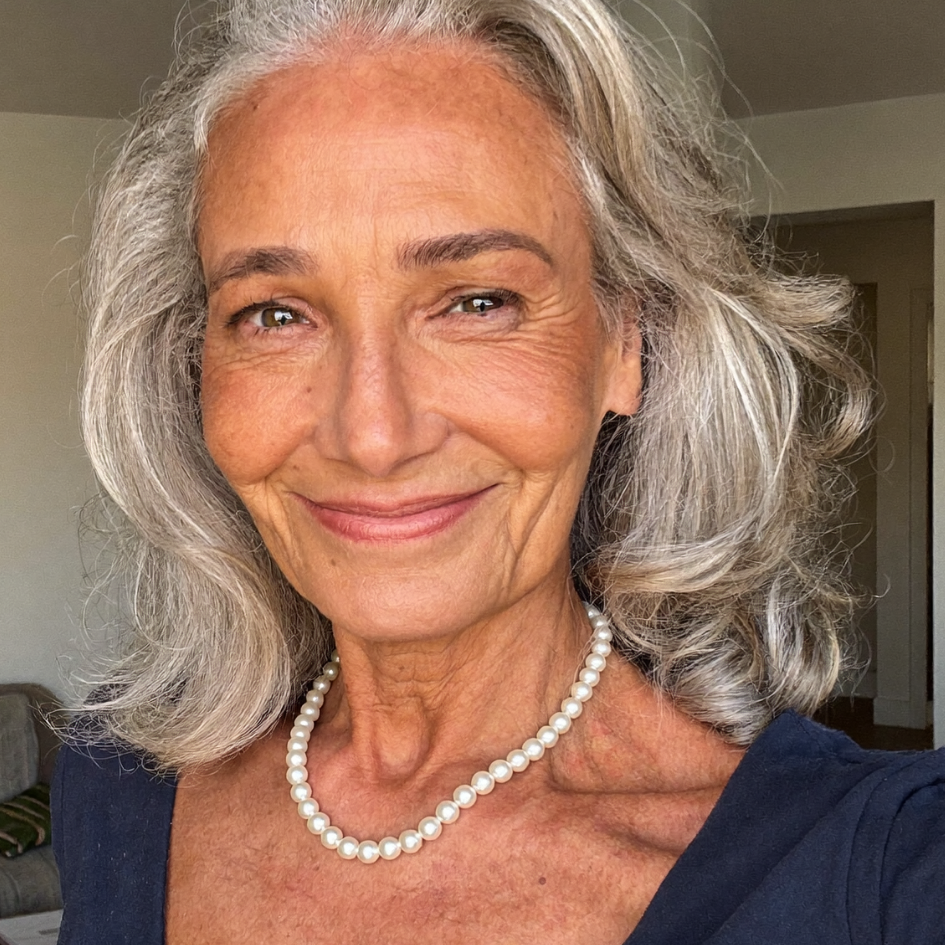
I Didn't Believe Her. But Her Face Was Undeniable.
It arrived a week later. A small, elegant bottle. Sitting on my bathroom counter next to the graveyard of everything else that had failed me.
I picked it up that evening. Stood in front of the bathroom mirror. The one I usually avoided.
"Okay," I said to my reflection. "One more try. Last one."
I applied a few drops. Silky. Weightless. My skin absorbed it instantly. Not like those thick creams that sit on top like a mask. This disappeared. Like my skin had been waiting for it.
I looked at myself in the mirror. Same tired face. Same lines. Same hollow cheeks.
"Don't get your hopes up," I whispered. "You've been here before."
I turned off the light. Went to bed.
But something kept me awake. Not excitement. Not hope. Something quieter.
A tiny voice in the back of my mind saying: Margaret's face doesn't lie. Margaret's face doesn't lie.
I fell asleep holding onto that thought like a lifeline.
What Happened Next Is Why You're Reading This Right Now
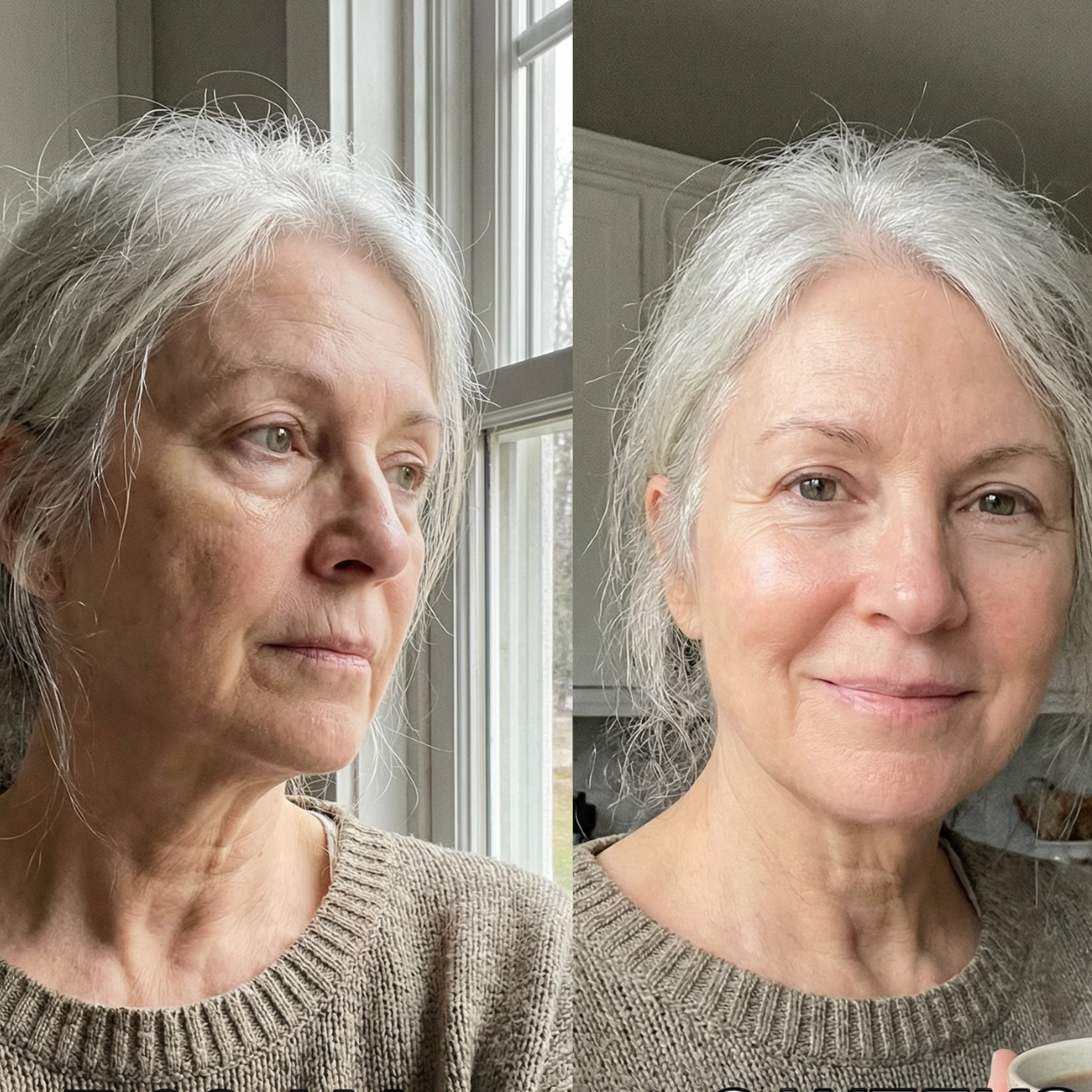
First morning. I looked in the mirror expecting nothing.
But my skin felt different. Tighter. Hydrated. Not the greasy surface film I was used to. Something deeper. Like my skin had been starving for years and finally got fed.
"It's just moisture," I told myself. "Don't get excited."
By day three, the gray was lifting. Warmth. Color. A glow I hadn't seen in years. I stood at the mirror longer than usual. Not out of habit. Out of curiosity.
By week one, I caught myself doing something I hadn't done in years. Looking at my reflection without flinching.
By week two, Emily FaceTimed me. Mid-sentence, she stopped.
"Mom. Your face."
"What about it?"
"Something's different. Something's really different."
"It's nothing."
"That's not nothing. What are you doing?"
I wasn't ready to tell her yet. Not until I was sure.
By week three, I took the scarf off my bedroom mirror. Stood in front of it. Looked. Really looked.
The lines around my mouth were softer. My jawline had shape again. My under-eyes were smoother. The hollow, tired look that had haunted me for years was fading.
Not gone. Fading. Quietly. From the inside.
By week four, my neighbor Linda caught me at the mailbox.
"Susan. What are you doing?"
"What do you mean?"
"Your face. You look different. You look amazing."
"Just sleeping better," I lied.
"That's not sleep. Tell me what you're doing."
By week six, my hairdresser put down her scissors mid-appointment.
"I need to stop you right here. I see hundreds of women in this chair. Hundreds. Your skin has completely changed since your last appointment. Tell me what you're using or I'm not finishing your hair."
She wasn't joking. 😊
By month two, it started happening with strangers.
A woman at the grocery store tapped my shoulder. "I'm so sorry to bother you but I have to ask. What do you use on your skin?"
A woman at church grabbed my arm after service. "Okay, be honest. Did you have work done?"
A cashier at the pharmacy looked at my ID and said "this can't be right."
By month three, my sister called. She'd seen a recent photo on Facebook.
"Okay. What the hell?"
"What?"
"You look better than me, Linda. I'm four years younger than you. This isn't fair. Tell me what you're using right now or I'm driving to your house."
I told her. She ordered it before we hung up. 😂
Then came month four. Back in that same dermatologist's office. Same cold chair. Same fluorescent lights. Same doctor.
She walked in. Opened my file. Looked up at me.
And stopped.
She looked at her notes from my last visit. Looked at my face. Back at the notes. Back at my face.
"Linda. Something is very different."
"Different how?"
"Your skin looks healthier than it did a year ago. Your texture has improved. Your elasticity is noticeably better." She put down my file. "I've been doing this for 20 years. Skin doesn't typically improve at 71. What changed?"
"I found something that actually works."
"What is it?"
"Deep Marine PDRN Korean peptide technology. A serum that rebuilds the structure instead of moisturizing the surface."
She picked up her pen. "What's it called?"
Same question. Every person. Every time.
I told her. She wrote it down.
"I need to look into this for my patients," she said. "Because what I'm seeing on your face doesn't match your history."
She paused.
"The last time you were here, I told you there wasn't much we could do."
"I remember."
"I was wrong."
I smiled. Because that sentence was worth more than every compliment from every stranger and every friend and every sister combined.
The doctor who told me to accept it was now telling me she was wrong.
Same office. Same chair. Same lights. Different skin. Different woman.
And it all started with a small bottle and sixty seconds.

Every Woman Keeps Asking The Same Question. Here's The Answer.
The same question. My daughter. My neighbor. My dentist. My hairdresser. My sister. Strangers at the grocery store. Even my dermatologist.
"What are you using?"
The answer is always the same.
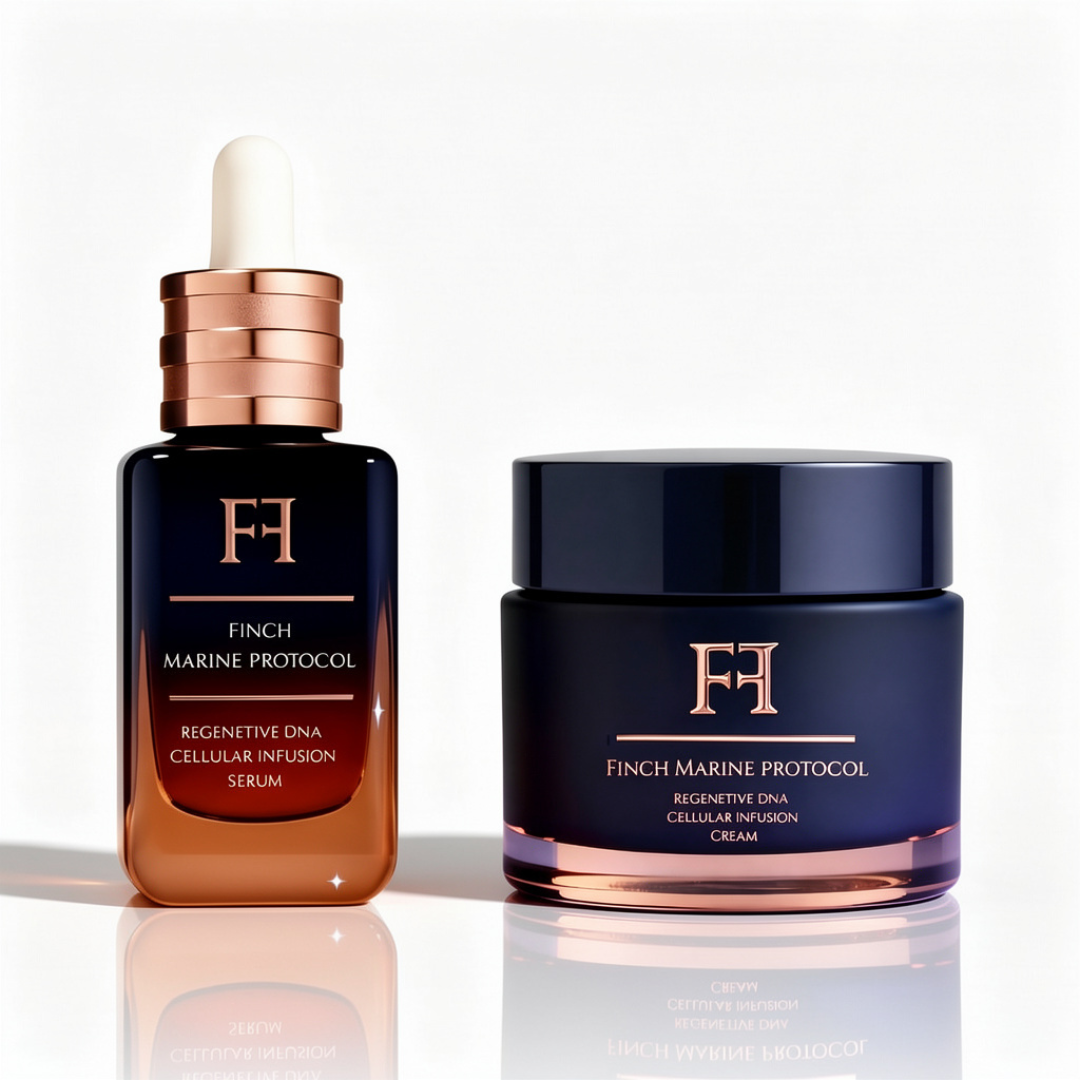
Finch Marine Protocol. From Fabian Finch Skin Systems.
A Korean peptide serum built specifically for women over 60 and 70. Not adapted from a younger formula. Not watered down. Designed from the ground up for skin that has structurally changed after menopause.
Korean women have relied on this science for decades. American women are just now discovering it.
Sixty seconds. Morning and night. That's the entire routine.
No needles. No surgery. No prescriptions. No 45-minute routines. No bathroom counter full of products that don't work.
One serum. Sixty seconds. Real rebuilding from the inside.
That's it. That's the answer every woman keeps asking for.
Now let me show you exactly why it works — and why nothing else you've tried ever could.
Here's Why Nothing You've Tried Has Worked - And What Makes This Different
FABIAN FINCH Skin Systems spent months with top dermatologists and cosmetic scientists uncovering why most skincare fails — and what our skin really craves to look younger, faster
Their mission? To engineer a single, all-in-one elixir so powerful it could replace an entire cabinet of overpriced creams, pointless lotions, and dusty serums you’ve been lied to about for years.
It all started with an exclusive, clinically-backed ingredient blend — shown in cutting-edge studies to deliver dramatically better results than nearly every so-called “anti-aging” serum on the market.
"It took about 2 years to finally perfect our flagship all-in-one product, Upgraded Finch Marine Protocol Serum, but when we finally got it right, as they say, the rest is history."
They added in Sodium DNA (PDRN - Polydeoxyribonucleotide), Peptides and Dipeptides, Carnosine and other expensive, rare and trademarked skin-nourishing ingredients that make FINCH MARINE PROTOCOL: a well-rounded multi-tasking serum that is gentle enough for the most sensitive of skin types while also delivering noticeable results.
This is an approved at-home daily treatment. We deserve to pamper our skin with the best ingredients nature & science has to offer!
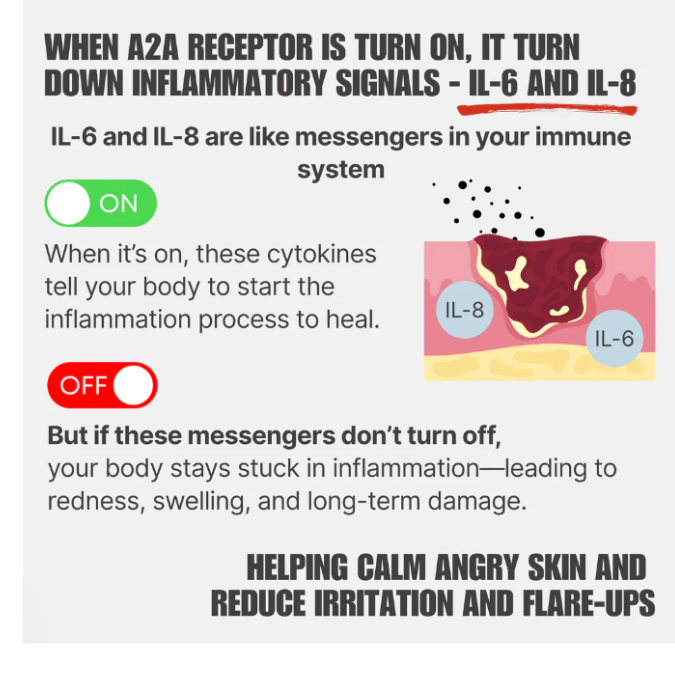
When Will You See Noticeable Results?
When using FINCH MARINE PROTOCOL, you can start seeing noticeable results from the very first day. Initially, you'll feel an immediate improvement in skin hydration, making your skin feel more supple and refreshed.
And with each passing day, the results compound, revealing a complexion so radiant it’s like you turned back the clock overnight.
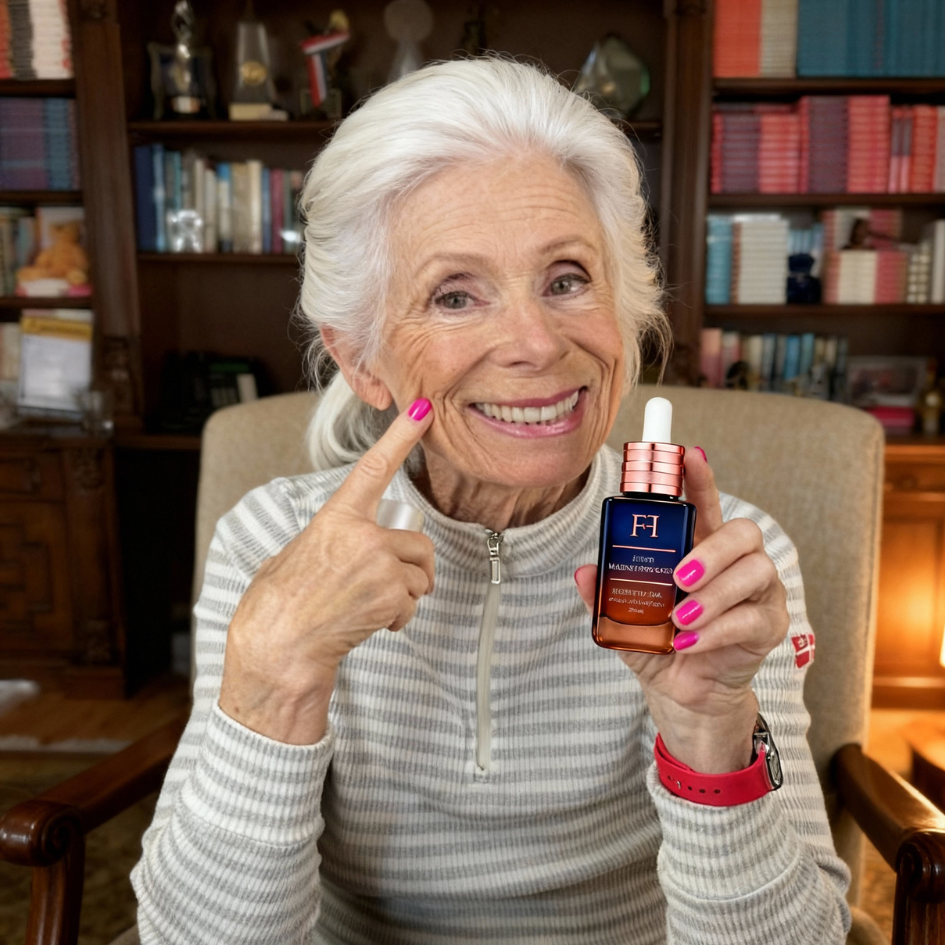
As early as within a week of consistent use, you may begin to notice a reduction in the appearance of wrinkles, as the serum works to relax facial muscles and smooth the skin. With continued use, other significant benefits such as enhanced skin elasticity, even skin tone, and overall revitalization will become increasingly evident.
Trying It Out (She Was Genuinely Surprised)
Consistent application is key to unlocking the full potential of this transformative serum, ensuring your skin reaps all the anti-aging benefits over time.
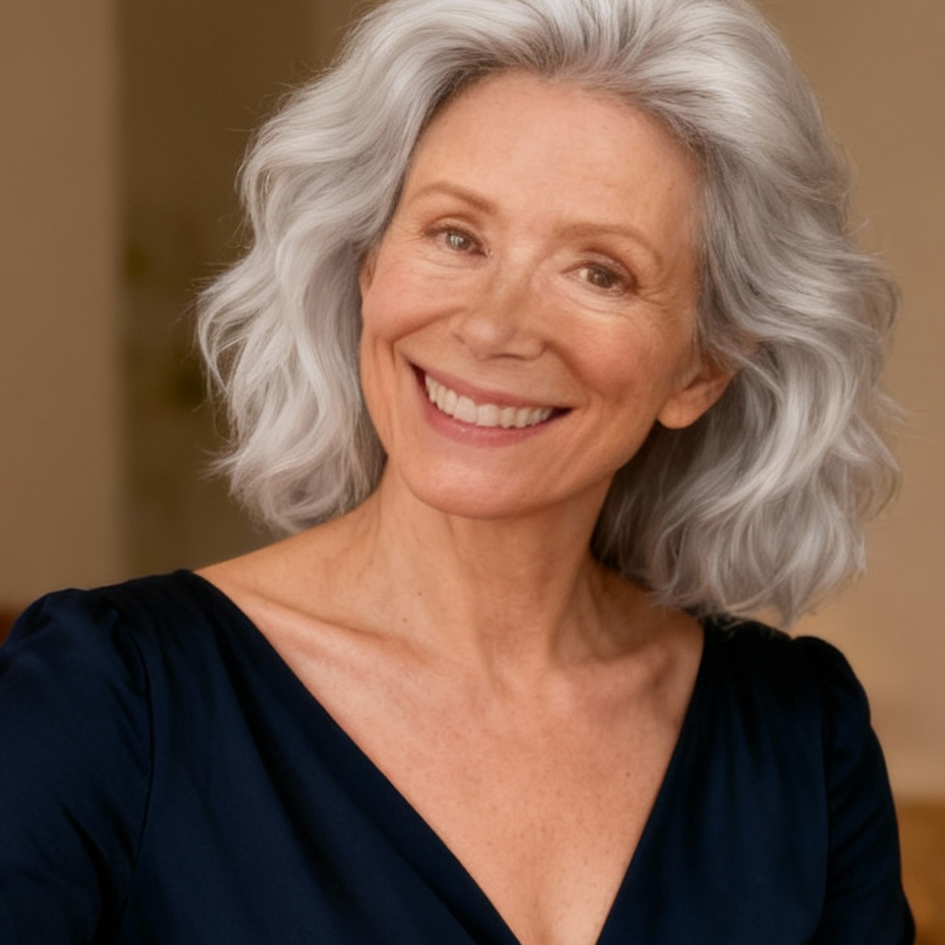
"I always receive a lot of compliments from strangers, and even my doctor, who assumed that I was 20 years younger than my age before he looked at my chart."

“It was like I’d peeled off twenty years overnight — and lost that permanently grumpy, worn-out look.”
People around me noticed instantly.
Friends, neighbors, even the mailman commented that I looked rested for the first time in forever.
Little did they know, it had nothing to do with sleep.
The best part?
That constant chorus of “You look so tired” — the words that haunted me for years — was finally gone. And every time I caught my reflection, it felt like I’d stumbled into a time machine set to rewind.
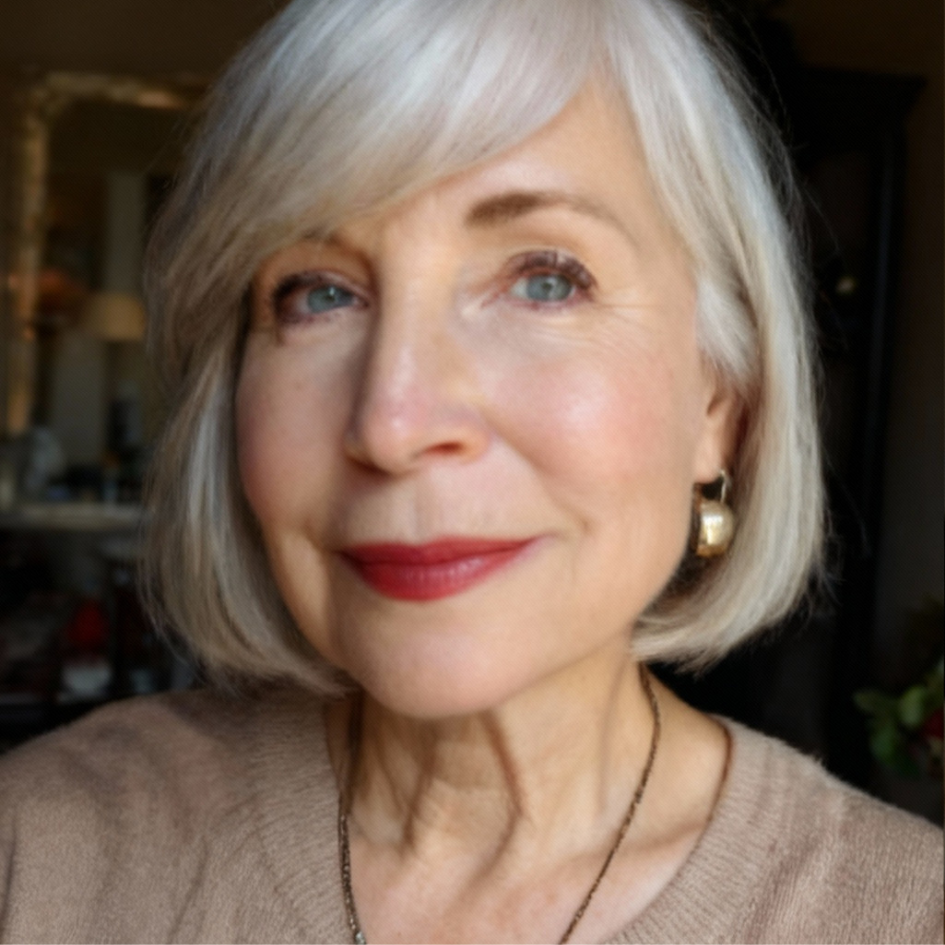
“It was like I’d peeled off twenty years overnight — and lost that permanently grumpy, worn-out look.”
People around me noticed instantly.
Friends, neighbors, even the mailman commented that I looked rested for the first time in forever.
Little did they know, it had nothing to do with sleep.
The best part?
That constant chorus of “You look so tired” — the words that haunted me for years — was finally gone. And every time I caught my reflection, it felt like I’d stumbled into a time machine set to rewind.
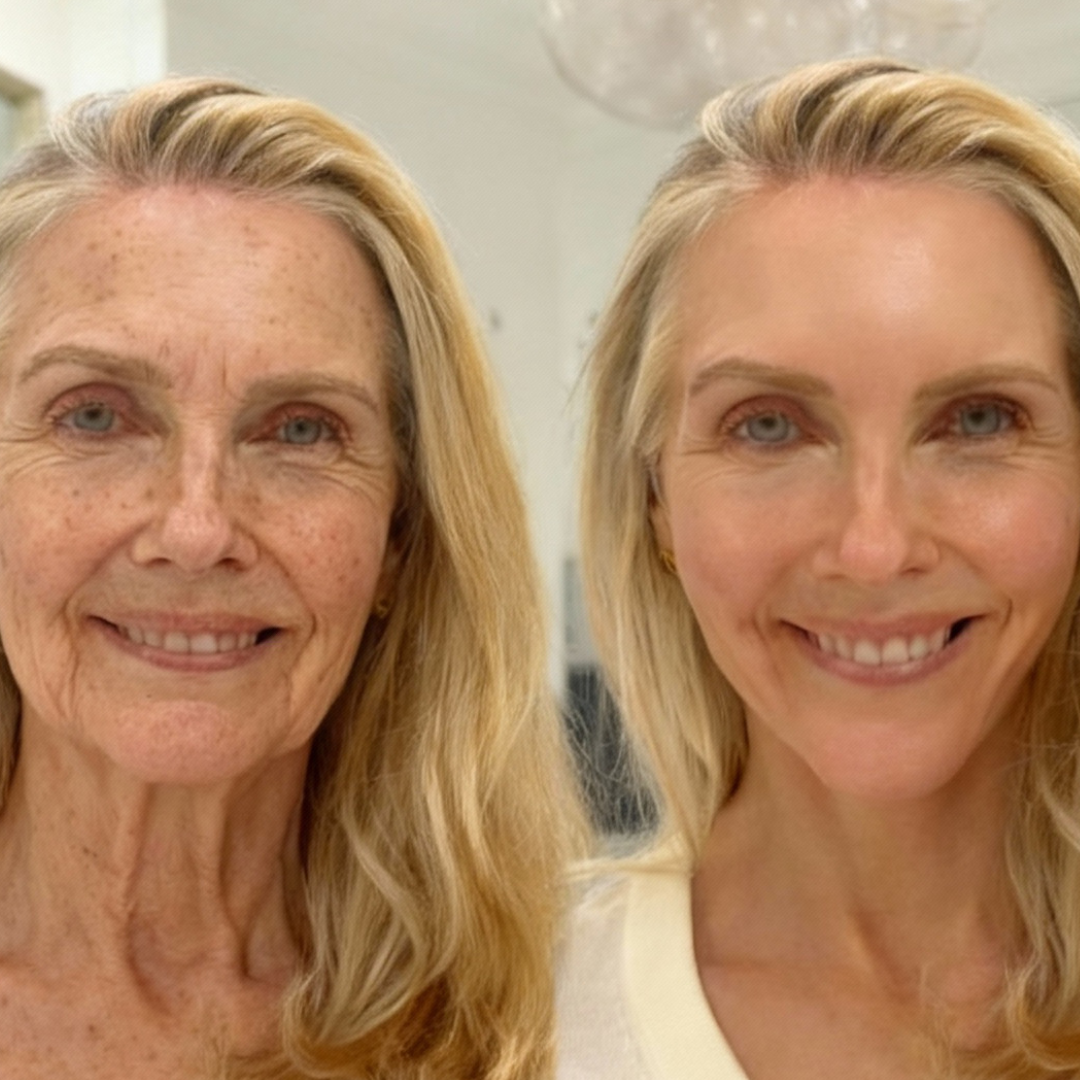
“It was like I’d peeled off twenty years overnight!”
“It was like I’d peeled off twenty years overnight — and lost that permanently grumpy, worn-out look.”
People around me noticed instantly.
Friends, neighbors, even the mailman commented that I looked rested for the first time in forever.
Little did they know, it had nothing to do with sleep.
The best part?
That constant chorus of “You look so tired” — the words that haunted me for years — was finally gone. And every time I caught my reflection, it felt like I’d stumbled into a time machine set to rewind.
Solution
Clinically Proven Ingredients
Fights Collagen Collapse
Hydrates + Firms Skin
Visible Results in 14 Days

✔ Backed by dermatology
✔ Targets the root cause
✔ Hyaluronic Acid + Matrixyl
✔ 93% saw smoother skin
Botox
✘ Synthetic toxins
✘ Masks surface only
✘ Temporarily plumps
5–6 months and $$$
Ordinary Creams
✔ But low concentration
✘ Doesn’t go deep enough
✔ Short-term effect
✘ Little to no change
Supplements
✘ Often unregulated
✘ Can’t reach the dermis
✘ No skin penetration
✘ Not designed for aging
I know, it sounds like some fairytale. I still don’t really believe it myself.
Fast forward to as I’m writing this, and I still use this serum on my face, eyes and neck every single day.
Because it has not only made my eyes look stunning, but it's completely rejuvenated my face as well.
Two small dark spots I had on my cheek have faded away…
A deep wrinkle I had under my left eye looks MUCH less noticeable…"
“And my confidence is higher than it’s been in years! I feel like myself again!”
"But this truly is the real deal.
So it begs the question, will it work for YOU? To be honest, I can’t say with 100% certainty that it will.
But if you’ve been struggling with those awful wrinkles, under-eye bags and crepiness for a long time and NOTHING else has worked, I highly recommend you try this.
It has completely changed my life and I’m not the only one.
So do yourself a favor and give it a try for yourself. Even if you’re full of skepticism that this could actually work.
You have no idea how much of a difference something so small and simple can make.
Plus, they WANT you to get results, or you don’t pay. So there’s NOTHING to lose."
Where Can I Buy FINCH MARINE PROTOCOL?
Finch Marine Protocol is sold exclusively through the official Fabian Finch website.
Current special offer:
Generous bundle packages + free standard shipping on all orders!
One-time purchase only – no subscriptions or recurring charges of any kind!
Every order is protected by our 365-day “use it all” money-back guarantee!
Love the results or receive a full refund – no questions asked (even if the bottle is completely empty!)
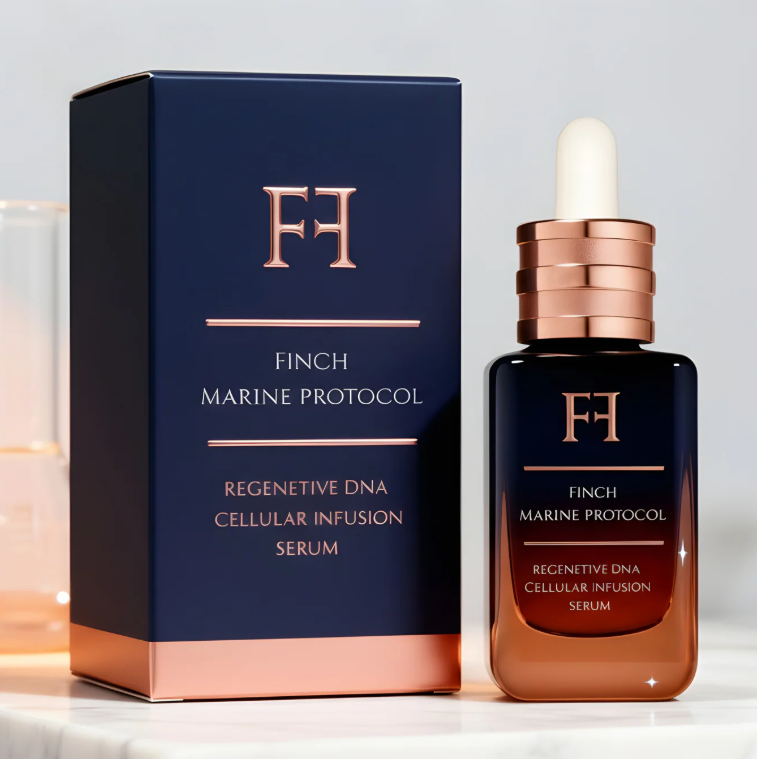
365-Day Money - Back Promise
Try Finch Marine Protocol with total peace of mind.
If you are not fully satisfied – for any reason – Fabian Finch will refund 100% of your purchase… no hassle, no hard feelings.
Simple. Transparent. No hidden conditions.
It’s highly unlikely you’ll need it – years of development went into creating this formula.
Premium ingredients help soften spots, smooth lines, deliver lasting hydration, and support a brighter appearance – all naturally sourced and carefully formulated.
This is exactly what so many women have been hoping to find.
If you’re not delighted – your money back.
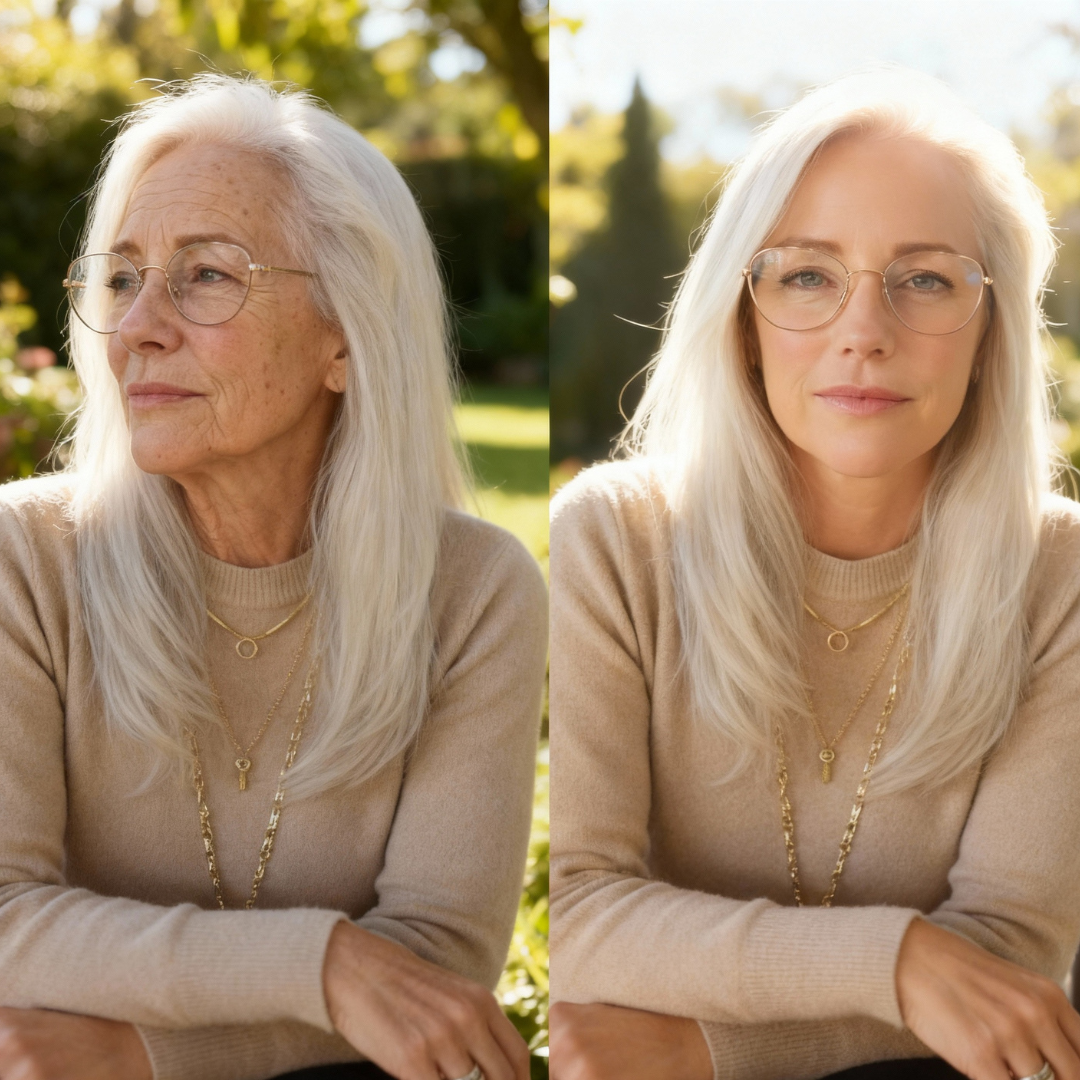
Sick of Expensive Products That Do Not Work?
Using just one skincare product designed exclusively for women over 70 you can save time and get better results from your skin care.
It means you finally have a powerful, proven way to erase dark spots, smooth deep wrinkles, and restore that fresh, hydrated glow - all with a gentle, all-natural serum designed to work fast and safe.
And here’s the best part:
Fabian Finch Skin Systems is so sure this will become your holy grail skincare secret, they’re offering a 110% satisfaction guarantee. Love your new reflection or get every penny back — no questions asked.
How Much Longer Will You Struggle With Overpriced and Ineffective Product Issues?
FINCH MARINE PROTOCOL provides you with real, natural, and safe ingredients that are clinically proven to fade dark spots, reduce crepiness and wrinkles and give your skin a radiant glow… without harmful chemicals or scammy tactics.
According to the Environmental Working Group (EWG), federal law does NOT require complete transparency in skincare labeling...
Which allows cosmetic companies to use “hidden ingredients” inside their formulas that are potentially dangerous to the skin and body.
So those products you may be putting on your skin that are deemed to be “safe”...
May actually be accelerating the aging process and potentially HARMING your skin.
FABIAN FINCH and his team wants to provide you with real results... at a fraction of the cost…
So that you don’t have to continue endlessly searching for skincare that doesn’t get the job done, or worse, is BAD for your skin.
What Do Others Have To Say About FINCH MARINE PROTOCOL?
Timeless Radiance! ⭐⭐⭐⭐⭐
"No doubt, the top one! So much spent on skin care, and this special Finch Marine Protocol is the winner. Almost 76, skin looks much younger—can be seen and felt. This is not just talk; it is the secret to great skin. No photo; try it and feel the magic."
Tara Veith | Verified Buyer

Excellent Results! ⭐⭐⭐⭐⭐
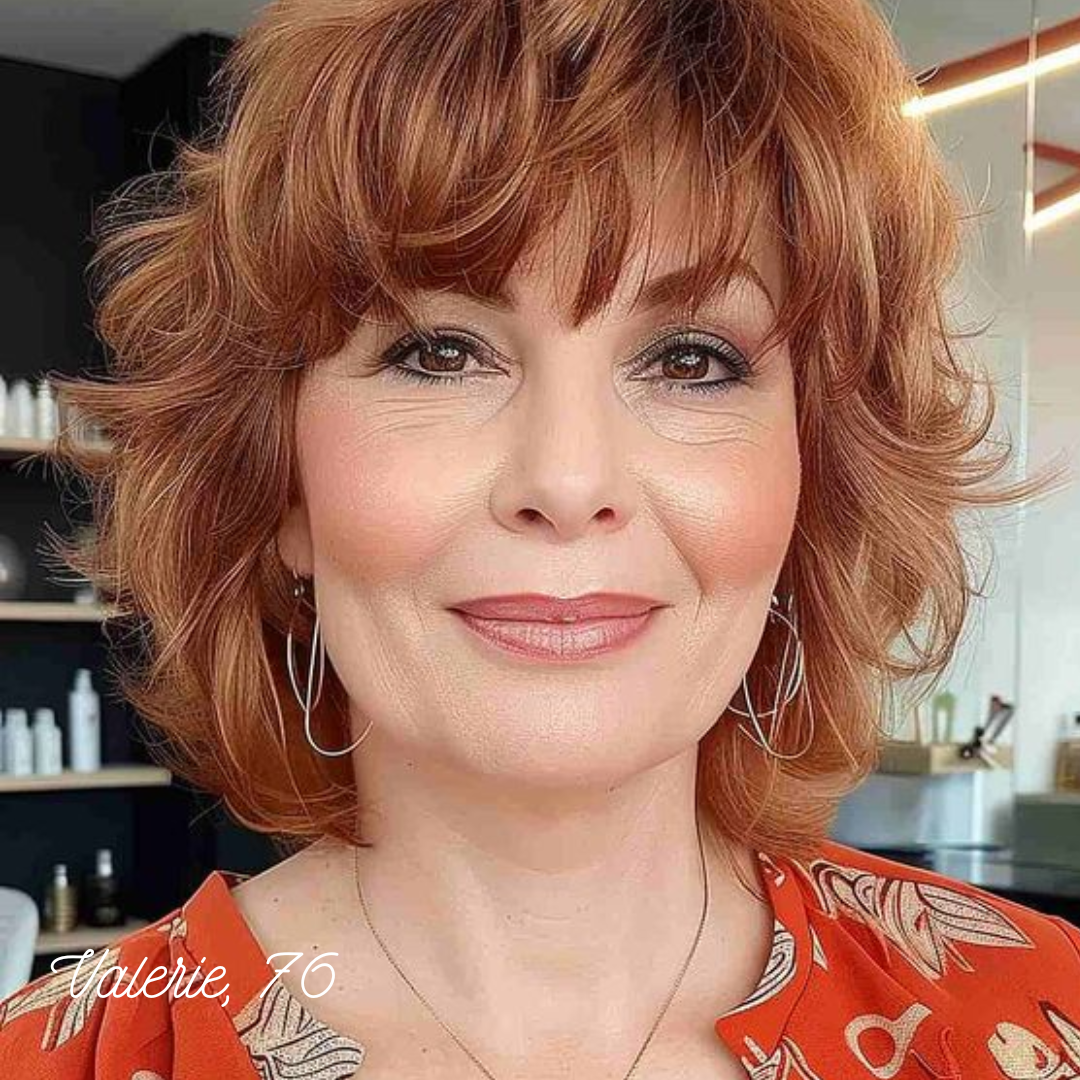
"This has been used for about 4 months, and skin looks great. At 74, the new doctor was surprised. The secret was shared with a daughter and an old friend. They use the whole line now too. Great stuff that really works over time."
Valerie White | Verified Buyer
A Skin Savior! ⭐⭐⭐⭐⭐
"After trying so many serums, care was taken, but the price was fair so it was tried. Wow! Best serum ever! Skin feels so moist and full of life. More cream is usually added for dry skin, but not needed. As a health coach, natural is key. Love the results and want to try more. Should be tried!"
Cheryl from Midwest USA | Verified Buyer

Here’s how we see it – you have two clear paths forward:
Option 1: Leave this page, skip Finch Marine Protocol, and continue with your current routine.
You could invest more in a well-known luxury brand that often applies a prestigious name to a standard formulation.
Or you could search for lower-priced alternatives online – most of which are mass-produced to keep retail prices low.
Option 2: Join many women over 65 and 70 who have already decided to try Finch Marine Protocol completely risk-free.
You reached the bottom of this page for a reason.
You’re open to something new.
Trust that instinct and choose the path that feels right.
When you compare the two options side by side, one clearly stands out.
Click the green button below to select your preferred Finch Marine Protocol bundle package.
But remember, this special offer to save up to 64% off is only available for people who take action on this page here today.
If you leave this page, FINCH MARINE PROTOCOL will only be available on its website for its full regular price, which is nearly double what you can buy it for today.
And don’t forget, you’re able to try FINCH MARINE PROTOCOL completely risk free.
Use the the entire bottle. If for any reason you’re not satisfied with the results - you have up to a full year to get a complete refund of your money.
We cannot wait to hear about your experience with BLYME Prime Elixir.
Your results after 1 week, 4 weeks, and longer.
You’re going to want to take a before and after picture!
Your partners in beauty,
The Fabian Finch Family
Home > Beauty > Regenative Marine DNA
At 71, My Doctor Said "There's Not Much We Can Do." Six Months Later, She Called Me Personally To Ask What I Was Using.
Posted By Eleanor Finch Verified • June 1, 2026 • 5 Min Read
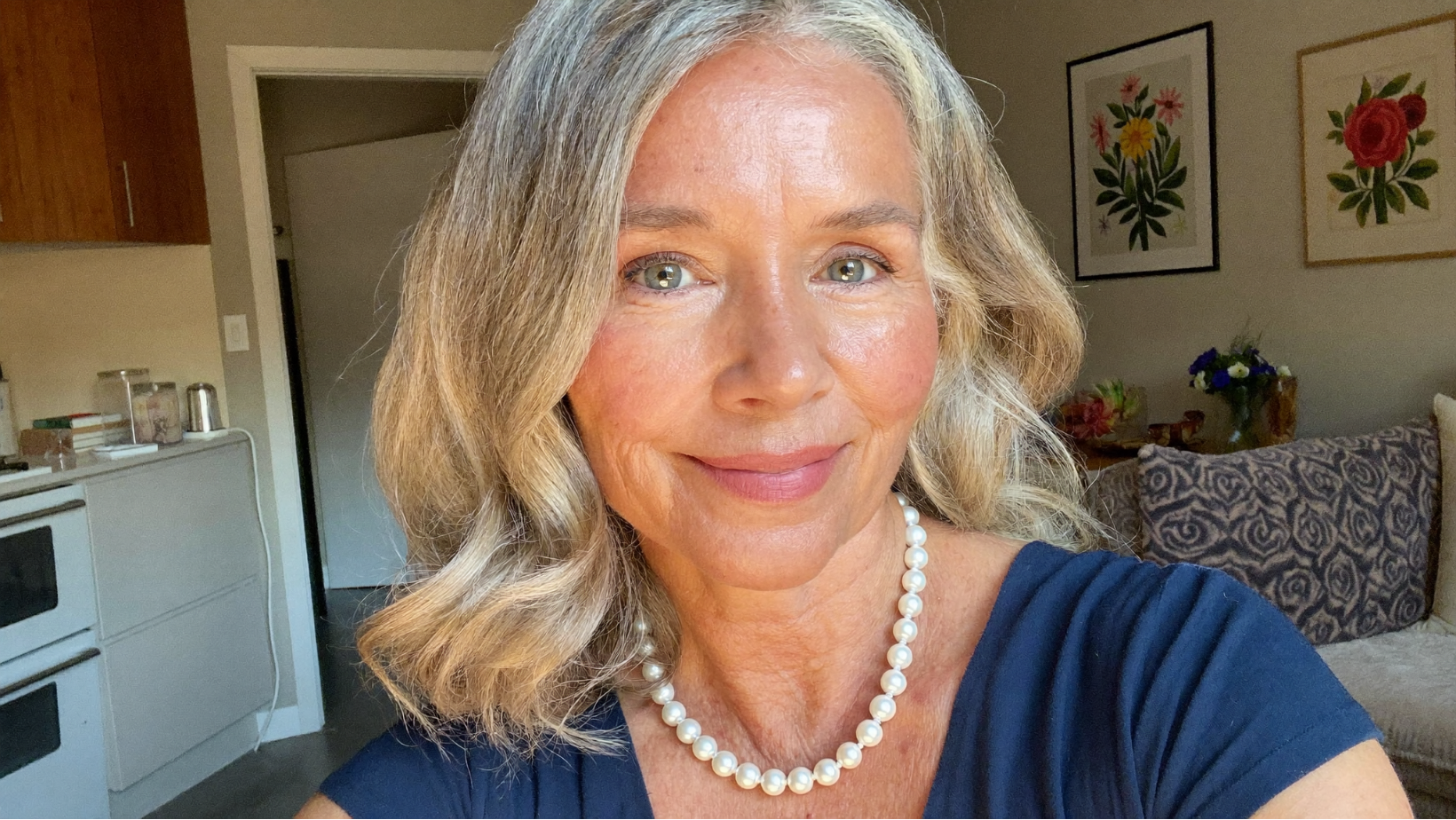
I Know Why You're Here...
Maybe it was a story that felt a little too familiar. Maybe it was a woman's face that stopped your scrolling - a woman your age who looked the way you used to feel, and something in your chest went very quiet for a second.
Maybe it was simpler than that. Maybe you just caught your reflection this morning and thought "that's not me."
I know that feeling. I lived inside it for years.
The woman staring back at you in the mirror doesn't match the woman you are inside. You feel 50. Your reflection says 80. And that gap - that silent, invisible gap - is one of the loneliest things a woman can carry.
You've tried things. Of course you have.
Every woman reading this has tried things.
The creams in the beautiful packaging that did absolutely nothing. The serum that cost more than your electric bill. The retinol your dermatologist recommended and left you exactly where you started. The collagen supplements. The jade roller. The LED mask your daughter bought you for your birthday that you used faithfully for two months and then put in the back of the cabinet.
And none of it really worked. Not the way you needed it to.
So you stopped believing. Stopped hoping. Started accepting that this is just what happens after 60. That your best skin is behind you. That there's "not much anyone can do."
I believed that too. Every word of it.
I was wrong.
I Had Accepted That My Skin Was Done.
I want to tell you what happened next.
In my mid-sixties, I started accepting that my skin was done.
Not all at once. Gradually - the way you accept things that happen slowly, in increments too small to point to. One morning you notice a new hollowness. One month later a new depth to a line that used to be shallow. One year later you stop noticing because noticing has become too expensive.
By 71, I had stopped trying entirely.
And here is what I need you to understand about that: I did not stop trying because I was weak or vain or had given up on myself. I stopped trying because I had gathered enough evidence - real evidence, expensive evidence, years of faithful trying - to conclude that the tools available to me were simply not equal to the problem I had.
I was a reasonable woman making a reasonable conclusion.
I felt fifty on the inside. My mirror said something else entirely.
I tried to fix it. Of course I did.
And then, on a Thursday afternoon in March, I sat across from my dermatologist - a woman I had been seeing for nine years, a good doctor, a genuinely kind person - and she looked at my chart and looked at my face and said the five words I had been privately dreading:
"There's not much we can do."
She said it kindly.
Which somehow made it worse.
I drove home on the highway with the radio off and my hands at exactly ten and two and I thought about those five words for forty-five minutes.
Then I walked into my house and I stopped.
I stopped trying that day.
Stopped buying products. Stopped looking in mirrors. Covered the one in my bedroom with a scarf. Brushed my teeth staring at the faucet.
Started declining invitations.
"Mom, come to Carol's dinner."
"I can't."
"Mom, Sophie has a recital."
"I'll try." I didn't.
"Mom. What's going on?"
"Nothing. I'm fine."
I wasn't fine.
I was disappearing. Not dramatically - quietly. From photographs. From dinner tables. From recitals I should have been in the front row of. From the life that was still very much happening around me while I stood at its edge and watched from a careful distance.
She did not stop.
She called every week for four months with the specific stubborn persistence of a daughter who is watching her mother disappear from her own life one declined invitation at a time and has decided - without announcing it, without making it a confrontation - that this is not acceptable and she is not going to pretend otherwise.
I did not believe a different answer existed.
But Emily didn't stop pushing.
And one Sunday - a gray one, February, the specific colorless Sunday that February specializes in - she said something different.
She didn't say "try something."
She said: "I found something. I need you to listen to me for five minutes. That's all I'm asking. Two minutes."
I sat down at my kitchen table.
I gave her two minutes.
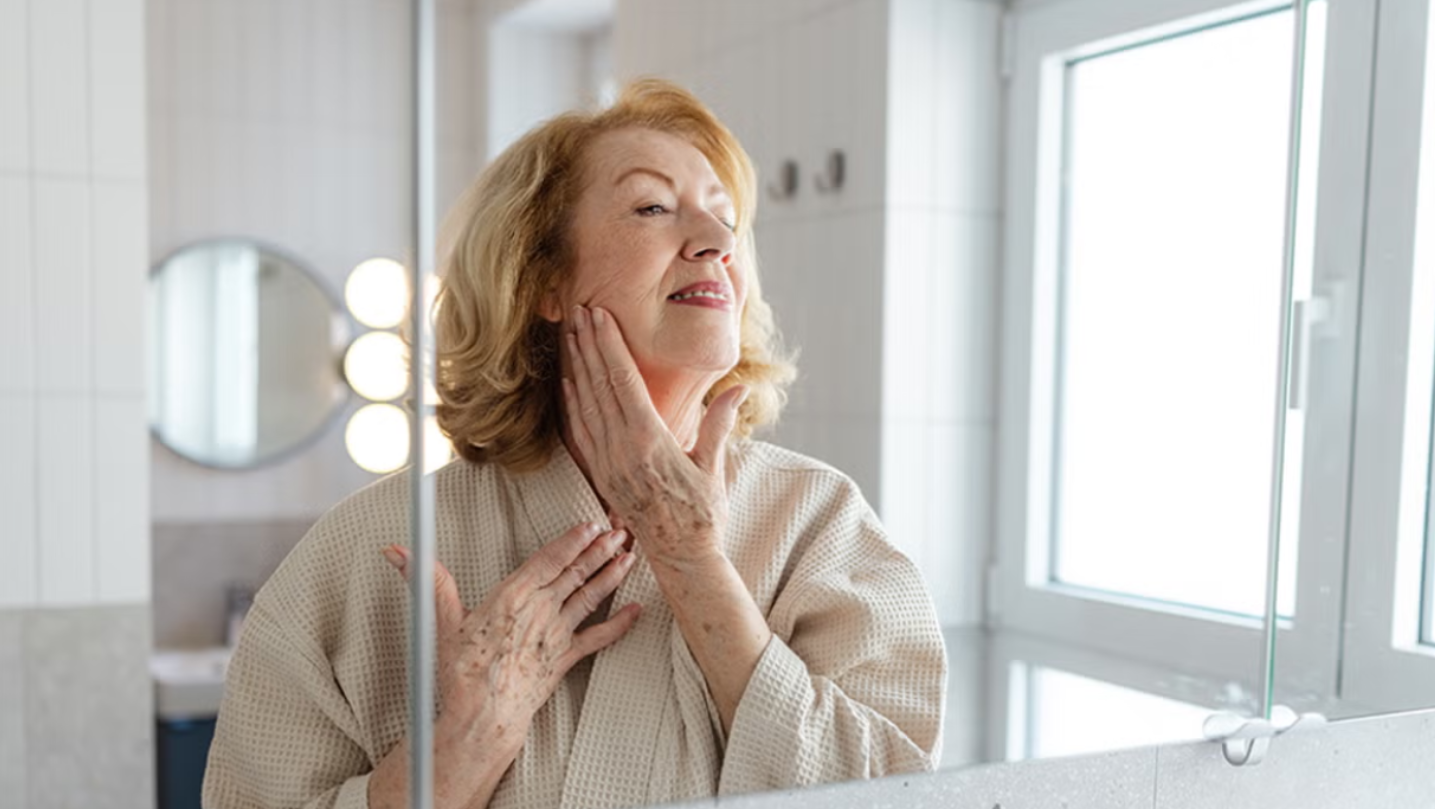
What she told me in those minutes changed everything.
"I've been talking to Margaret."
I sat back.
Margaret. My friend of thirty years. Retired nurse. The most unsentimental, impossible-to-fool, impossible-to-sell woman I have ever known in my life. The woman who, in three decades of friendship, has never once - not once - told me to buy a product. Not a vitamin. Not a supplement. Not a face cream. Nothing. Her philosophy has always been: if it actually worked, your doctor would have told you.
"Margaret told you to try something?" I said.
"She didn't tell me. She told me to tell you. She's been trying to call you for two months and you haven't been answering."
I had not been answering.
"Call her, Mom. Please. Just call her."
I called Margaret that evening.
She picked up on the second ring, which is unusual for Margaret, who treats the telephone with professional suspicion.
"Linda," she said. "I need you to listen to me."
When Margaret says those words, you listen. This is a woman who spent thirty years in critical care medicine. Who has seen everything. Who approaches health claims the way a prosecutor approaches testimony - with the assumption that the witness is wrong until the evidence proves otherwise.
"You know my niece Ji-Young?" she said.
"The dermatologist. In Seoul."
"She visited last month. She took one look at my face and said - and I'm quoting her exactly - 'Auntie, why are you still using American skincare? It isn't built for you.'"
"What does that mean?"
"That's what I asked. What she told me next made me furious, Linda. And you know I don't get furious easily."
What Ji-Young told Margaret - and what Margaret then told me, quietly, over the phone, while I sat at my kitchen table on a February evening - rearranged something fundamental in the way I understood the previous seven years of failing.
"After menopause," Margaret said, "our skin doesn't just wrinkle. It structurally collapses from the inside."
Collagen production doesn't slow down. It essentially stops. The entire scaffolding - the dense network of fibers in the dermis that keeps skin firm and lifted and thick — begins to crumble silently, from the inside out, while we stand at beauty counters buying things for the surface.
"And every product we've ever purchased?" Margaret continued. "Every cream, every serum, every $200 bottle with the clinical language on the label? Linda - it was designed for thirty-year-olds trying to prevent the first signs of damage. Not for women over sixty, or seventy whose skin has already fundamentally changed at the structural level."
"So nothing works for us?"
"Nothing American works for us. That's exactly the point."
She let that sit for a moment.
"Korean women figured this out decades ago. They don't treat post-menopausal skin as a cosmetic problem. They treat it as a medical condition. A structural collapse that requires rebuilding - not moisturizing, not temporarily plumping, not 'lifting' with peptides that talk to cells that stopped listening years ago. Actually rebuilding the collapsed structure from the inside."
"Margaret," I said. "You sound like an advertisement."
"Linda." A pause. "Look at my face."
I looked.
We were on FaceTime. The light in Margaret's kitchen is not flattering - she has always had overhead fluorescents that have never been kind to anyone, and I have told her this many times over many years, and she has never cared because Margaret does not organize her lighting around how it affects her appearance.
And Margaret looked different.
Not dramatically. Not in any way that announced itself. But her skin looked firmer. Warmer. More present. More alive in a way I couldn't immediately account for, looking at it through a phone screen in the unforgiving light of her fluorescent kitchen.
She looked like herself.
The Margaret I remembered from five years ago — before the gray quality settled in, before the hollowness, before all of it. The Margaret who had always seemed slightly ageless and then, gradually, hadn't.
She was back.
"Nothing American works for us. That's exactly the point."
"How long?" I asked.
"Three months. Sixty seconds. Morning and night. That's the complete routine."
"That's it?"
"That's it. Ji-Young told me that Korean women in their seventies have skin that American women in their late fifties dream about. And it's not genetics, Linda. It's not their diet or their water or some quality of their culture that we can't access. It's this specific science that Korean dermatology developed twenty years ago while American beauty companies were still selling us retinol and hoping we wouldn't notice it wasn't working."
I want to be honest about what I felt in that moment.
I did not feel hope.
Hope, by that point, had been spent. The seven years and the dermatologist's office and the covered mirror in my bedroom and the recital I didn't attend — all of that had spent what was left of my capacity for hope on this particular subject.
What I felt was something quieter and more cautious than hope.
I felt the specific, fragile thought of a woman who has been wrong about something before and knows it:
Maybe I'm wrong about this too.
Margaret doesn't exaggerate. In thirty years I have never heard her say something was better than it was. She is constitutionally incapable of exaggeration — it is one of her qualities that I find either admirable or maddening depending on the situation.
Margaret doesn't recommend things.
And Margaret's face, in her fluorescent kitchen at 9 PM on a February evening, was looking back at me through that phone screen and asking me to trust what my eyes were seeing.
"What's it called?" I asked.
"I'll send you the link tonight."
She did. Within the hour.
I stared at the link for a long time before clicking it.
Then I read everything. Not the marketing. The ingredients. The mechanism. The clinical research. The reviews — and I want to be specific about this because I think it matters: I went directly to the two and three-star reviews. Not the five-stars. The five-stars are written by believers. The two and threes are written by women who went in skeptical and are telling you the honest truth about what happened.
A woman wrote: "I'm 68 and nothing has ever worked for my skin. This is the first thing that actually changed it. I don't understand the science completely but I know what I see in my mirror."
Another: "Three weeks in and my daughter stopped mid-sentence and asked what I was doing differently. I've been trying things for five years. Nobody has ever stopped mid-sentence before."
That second review was the one that did it. Not I look twenty years younger — I have stopped believing that language. But my daughter stopped mid-sentence. That felt like something a real woman wrote about a real thing that actually happened to her.
I ordered it.
Not with excitement. Not with the hopeful energy I used to bring to new products in the years when I still had that energy to bring.
With the quiet, careful, almost reluctant thought of a woman who has been here before and knows exactly what it costs to be wrong again:
Margaret's face doesn't lie.
If Margaret says it works, and her face confirms it, and the two-star reviewers confirm it — then maybe. Just maybe. This time is different.
I closed my laptop.
I went to bed.
I did not move the scarf off the mirror.
Not yet.
But I had ordered something. For the first time in two years, I had ordered something.
And for the first time in longer than I want to admit, I went to sleep thinking about tomorrow morning instead of dreading it.
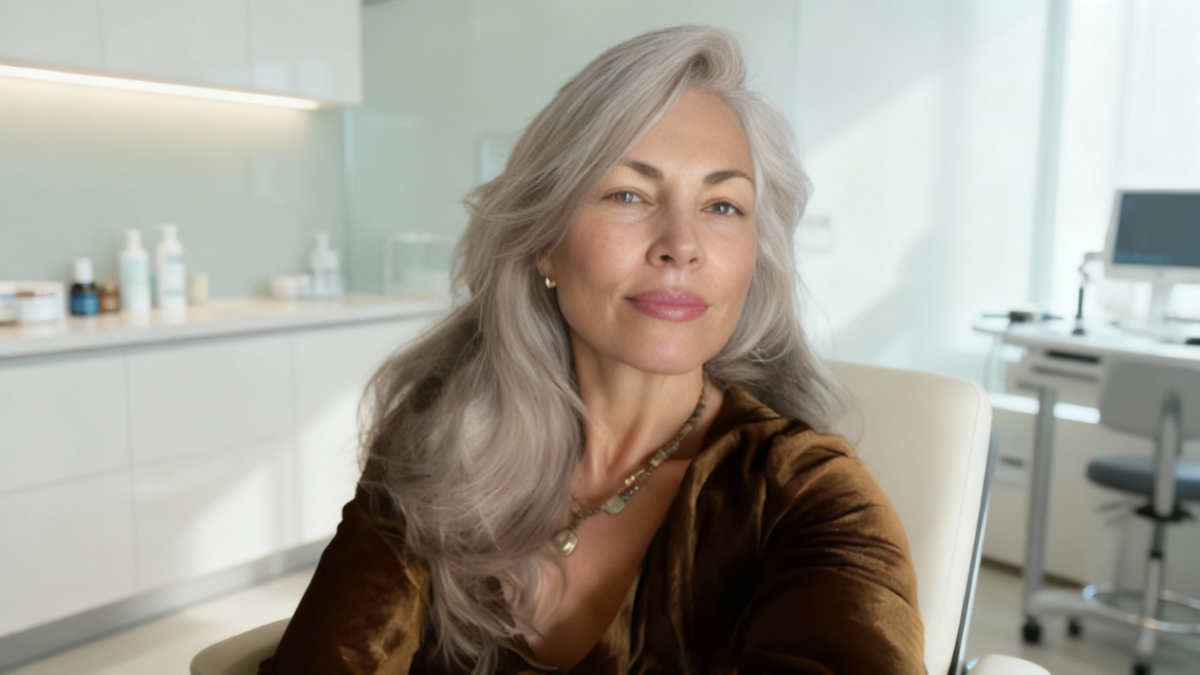
I Didn't Believe Her. But Her Face Was Undeniable.
It arrived a week later. A small, elegant bottle. Sitting on my bathroom counter next to the graveyard of everything else that had failed me.
I picked it up that evening. Stood in front of the bathroom mirror. The one I usually avoided.
"Okay," I said to my reflection. "One more try. Last one."
I applied a few drops. Silky. Weightless. My skin absorbed it instantly. Not like those thick creams that sit on top like a mask. This disappeared. Like my skin had been waiting for it.
I looked at myself in the mirror. Same tired face. Same lines. Same hollow cheeks.
"Don't get your hopes up," I whispered. "You've been here before."
I turned off the light. Went to bed.
But something kept me awake. Not excitement. Not hope. Something quieter.
A tiny voice in the back of my mind saying: Margaret's face doesn't lie. Margaret's face doesn't lie.
I fell asleep holding onto that thought like a lifeline.
What Happened Next Is Why You're Reading This Right Now
First morning. I looked in the mirror expecting nothing.
But my skin felt different. Tighter. Hydrated. Not the greasy surface film I was used to. Something deeper. Like my skin had been starving for years and finally got fed.
"It's just moisture," I told myself. "Don't get excited."
By day three, the gray was lifting. Warmth. Color. A glow I hadn't seen in years. I stood at the mirror longer than usual. Not out of habit. Out of curiosity.
By week one, I caught myself doing something I hadn't done in years. Looking at my reflection without flinching.
By week two, Emily FaceTimed me. Mid-sentence, she stopped.
"Mom. Your face."
"What about it?"
"Something's different. Something's really different."
"It's nothing."
"That's not nothing. What are you doing?"
I wasn't ready to tell her yet. Not until I was sure.
By week three, I took the scarf off my bedroom mirror. Stood in front of it. Looked. Really looked.
The lines around my mouth were softer. My jawline had shape again. My under-eyes were smoother. The hollow, tired look that had haunted me for years was fading.
Not gone. Fading. Quietly. From the inside.
By week four, my neighbor Linda caught me at the mailbox.
"Susan. What are you doing?"
"What do you mean?"
"Your face. You look different. You look amazing."
"Just sleeping better," I lied.
"That's not sleep. Tell me what you're doing."
By week six, my hairdresser put down her scissors mid-appointment.
"I need to stop you right here. I see hundreds of women in this chair. Hundreds. Your skin has completely changed since your last appointment. Tell me what you're using or I'm not finishing your hair."
She wasn't joking. 😊
By month two, it started happening with strangers.
A woman at the grocery store tapped my shoulder. "I'm so sorry to bother you but I have to ask. What do you use on your skin?"
A woman at church grabbed my arm after service. "Okay, be honest. Did you have work done?"
A cashier at the pharmacy looked at my ID and said "this can't be right."
By month three, my sister called. She'd seen a recent photo on Facebook.
"Okay. What the hell?"
"What?"
"You look better than me, Linda. I'm four years younger than you. This isn't fair. Tell me what you're using right now or I'm driving to your house."
I told her. She ordered it before we hung up. 😂
Then came month four. Back in that same dermatologist's office. Same cold chair. Same fluorescent lights. Same doctor.
She walked in. Opened my file. Looked up at me.
And stopped.
She looked at her notes from my last visit. Looked at my face. Back at the notes. Back at my face.
"Linda. Something is very different."
"Different how?"
"Your skin looks healthier than it did a year ago. Your texture has improved. Your elasticity is noticeably better." She put down my file. "I've been doing this for 20 years. Skin doesn't typically improve at 71. What changed?"
"I found something that actually works."
"What is it?"
"Deep Marine PDRN Korean peptide technology. A serum that rebuilds the structure instead of moisturizing the surface."
She picked up her pen. "What's it called?"
Same question. Every person. Every time.
I told her. She wrote it down.
"I need to look into this for my patients," she said. "Because what I'm seeing on your face doesn't match your history."
She paused.
"The last time you were here, I told you there wasn't much we could do."
"I remember."
"I was wrong."
I smiled. Because that sentence was worth more than every compliment from every stranger and every friend and every sister combined.
The doctor who told me to accept it was now telling me she was wrong.
Same office. Same chair. Same lights. Different skin. Different woman.
And it all started with a small bottle and sixty seconds.
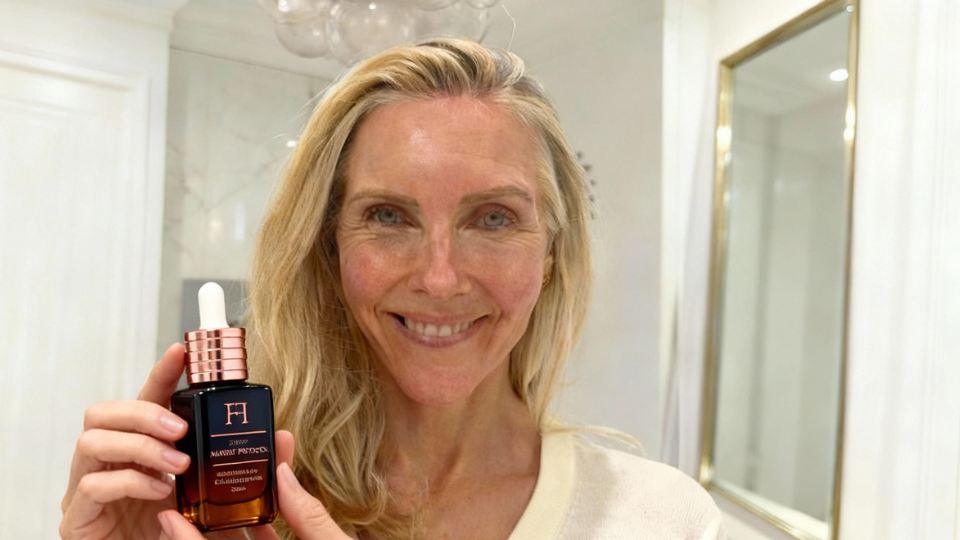
Every Woman Keeps Asking The Same Question. Here's The Answer.
The same question. My daughter. My neighbor. My dentist. My hairdresser. My sister. Strangers at the grocery store. Even my dermatologist.
"What are you using?"
The answer is always the same.
Finch Marine Protocol. From Fabian Finch Skin Systems.
A Korean peptide serum built specifically for women over 60 and 70. Not adapted from a younger formula. Not watered down. Designed from the ground up for skin that has structurally changed after menopause.
Korean women have relied on this science for decades. American women are just now discovering it.
Sixty seconds. Morning and night. That's the entire routine.
No needles. No surgery. No prescriptions. No 45-minute routines. No bathroom counter full of products that don't work.
One serum. Sixty seconds. Real rebuilding from the inside.
That's it. That's the answer every woman keeps asking for.
Now let me show you exactly why it works — and why nothing else you've tried ever could.
Here's Why Nothing You've Tried Has Worked - And What Makes This Different
FABIAN FINCH Skin Systems spent months with top dermatologists and cosmetic scientists uncovering why most skincare fails — and what our skin really craves to look younger, faster
Their mission? To engineer a single, all-in-one elixir so powerful it could replace an entire cabinet of overpriced creams, pointless lotions, and dusty serums you’ve been lied to about for years.
It all started with an exclusive, clinically-backed ingredient blend — shown in cutting-edge studies to deliver dramatically better results than nearly every so-called “anti-aging” serum on the market.
"It took about 2 years to finally perfect our flagship all-in-one product, Upgraded Finch Marine Protocol Serum, but when we finally got it right, as they say, the rest is history."
They added in Sodium DNA (PDRN - Polydeoxyribonucleotide), Peptides and Dipeptides, Carnosine and other expensive, rare and trademarked skin-nourishing ingredients that make FINCH MARINE PROTOCOL: a well-rounded multi-tasking serum that is gentle enough for the most sensitive of skin types while also delivering noticeable results.
This is an approved at-home daily treatment. We deserve to pamper our skin with the best ingredients nature & science has to offer!
When Will You See Noticeable Results?
When using FINCH MARINE PROTOCOL, you can start seeing noticeable results from the very first day. Initially, you'll feel an immediate improvement in skin hydration, making your skin feel more supple and refreshed.
And with each passing day, the results compound, revealing a complexion so radiant it’s like you turned back the clock overnight.
As early as within a week of consistent use, you may begin to notice a reduction in the appearance of wrinkles, as the serum works to relax facial muscles and smooth the skin. With continued use, other significant benefits such as enhanced skin elasticity, even skin tone, and overall revitalization will become increasingly evident.
Trying It Out (She Was Genuinely Surprised)
Consistent application is key to unlocking the full potential of this transformative serum, ensuring your skin reaps all the anti-aging benefits over time.
"I always receive a lot of compliments from strangers, and even my doctor, who assumed that I was 20 years younger than my age before he looked at my chart."
“It was like I’d peeled off twenty years overnight — and lost that permanently grumpy, worn-out look.”
People around me noticed instantly.
Friends, neighbors, even the mailman commented that I looked rested for the first time in forever.
Little did they know, it had nothing to do with sleep.
“It was like I’d peeled off twenty years overnight!”
The best part?
That constant chorus of “You look so tired” — the words that haunted me for years - was finally gone. And every time I caught my reflection, it felt like I’d stumbled into a time machine set to rewind.
Solution
Clinically Proven Ingredients
Fights Collagen Collapse
Hydrates + Firms Skin
Visible Results in 14 Days
✔ Backed by dermatology
✔ Targets the root cause
✔ Hyaluronic Acid + Matrixyl
✔ 93% saw smoother skin
Botox
✘ Synthetic toxins
✘ Masks surface only
✘ Temporarily plumps
5–6 months and $$$
Ordinary Creams
✔ But low concentration
✘ Doesn’t go deep enough
✔ Short-term effect
✘ Little to no change
Supplements
✘ Often unregulated
✘ Can’t reach the dermis
✘ No skin penetration
✘ Not designed for aging
I know, it sounds like some fairytale. I still don’t really believe it myself.
Fast forward to as I’m writing this, and I still use this serum on my face, eyes and neck every single day.
Because it has not only made my eyes look stunning, but it's completely rejuvenated my face as well.
Two small dark spots I had on my cheek have faded away…
A deep wrinkle I had under my left eye looks MUCH less noticeable…"
“And my confidence is higher than it’s been in years! I feel like myself again!”
"But this truly is the real deal.
So it begs the question, will it work for YOU? To be honest, I can’t say with 100% certainty that it will.
But if you’ve been struggling with those awful wrinkles, under-eye bags and crepiness for a long time and NOTHING else has worked, I highly recommend you try this.
It has completely changed my life and I’m not the only one.
So do yourself a favor and give it a try for yourself. Even if you’re full of skepticism that this could actually work.
You have no idea how much of a difference something so small and simple can make.
Plus, they WANT you to get results, or you don’t pay. So there’s NOTHING to lose."
Where Can I Buy FINCH MARINE PROTOCOL?
Finch Marine Protocol is sold exclusively through the official Fabian Finch website.
Current special offer:
Generous bundle packages + free standard shipping on all orders!
One-time purchase only – no subscriptions or recurring charges of any kind!
Every order is protected by our 365-day “use it all” money-back guarantee!
Love the results or receive a full refund – no questions asked (even if the bottle is completely empty!)
365-Day Money - Back Promise
Try Finch Marine Protocol with total peace of mind.
If you are not fully satisfied – for any reason – Fabian Finch will refund 100% of your purchase… no hassle, no hard feelings.
Simple. Transparent. No hidden conditions.
It’s highly unlikely you’ll need it – years of development went into creating this formula.
Premium ingredients help soften spots, smooth lines, deliver lasting hydration, and support a brighter appearance – all naturally sourced and carefully formulated.
This is exactly what so many women have been hoping to find.
If you’re not delighted – your money back.
Sick of Expensive Products That Do Not Work?
Using just one skincare product designed exclusively for women over 70 you can save time and get better results from your skin care.
It means you finally have a powerful, proven way to erase dark spots, smooth deep wrinkles, and restore that fresh, hydrated glow - all with a gentle, all-natural serum designed to work fast and safe.
And here’s the best part:
Fabian Finch Skin Systems is so sure this will become your holy grail skincare secret, they’re offering a 110% satisfaction guarantee. Love your new reflection or get every penny back — no questions asked.
How Much Longer Will You Struggle With Overpriced and Ineffective Product Issues?
FINCH MARINE PROTOCOL provides you with real, natural, and safe ingredients that are clinically proven to fade dark spots, reduce crepiness and wrinkles and give your skin a radiant glow… without harmful chemicals or scammy tactics.
According to the Environmental Working Group (EWG), federal law does NOT require complete transparency in skincare labeling...
Which allows cosmetic companies to use “hidden ingredients” inside their formulas that are potentially dangerous to the skin and body.
So those products you may be putting on your skin that are deemed to be “safe”...
May actually be accelerating the aging process and potentially HARMING your skin.
FABIAN FINCH and his team wants to provide you with real results... at a fraction of the cost…
So that you don’t have to continue endlessly searching for skincare that doesn’t get the job done, or worse, is BAD for your skin.
What Do Others Have To Say About FINCH MARINE PROTOCOL?
Timeless Radiance! ⭐⭐⭐⭐⭐
"No doubt, the top one! So much spent on skin care, and this special Finch Marine Protocol is the winner. Almost 76, skin looks much younger—can be seen and felt. This is not just talk; it is the secret to great skin. No photo; try it and feel the magic."
Tara Veith | Verified Buyer
Excellent Results! ⭐⭐⭐⭐⭐
"This has been used for about 4 months, and skin looks great. At 74, the new doctor was surprised. The secret was shared with a daughter and an old friend. They use the whole line now too. Great stuff that really works over time."
Valerie White | Verified Buyer
A Skin Savior! ⭐⭐⭐⭐⭐
"After trying so many serums, care was taken, but the price was fair so it was tried. Wow! Best serum ever! Skin feels so moist and full of life. More cream is usually added for dry skin, but not needed. As a health coach, natural is key. Love the results and want to try more. Should be tried!"
Cheryl from Midwest USA | Verified Buyer
Here’s how we see it – you have two clear paths forward:
Option 1: Leave this page, skip Finch Marine Protocol, and continue with your current routine.
You could invest more in a well-known luxury brand that often applies a prestigious name to a standard formulation.
Or you could search for lower-priced alternatives online – most of which are mass-produced to keep retail prices low.
Option 2: Join many women over 65 and 70 who have already decided to try Finch Marine Protocol completely risk-free.
You reached the bottom of this page for a reason.
You’re open to something new.
Trust that instinct and choose the path that feels right.
When you compare the two options side by side, one clearly stands out.
Click the green button below to select your preferred Finch Marine Protocol bundle package.
But remember, this special offer to save up to 64% off is only available for people who take action on this page here today.
If you leave this page, FINCH MARINE PROTOCOL will only be available on its website for its full regular price, which is nearly double what you can buy it for today.
And don’t forget, you’re able to try FINCH MARINE PROTOCOL completely risk free.
Use the the entire bottle. If for any reason you’re not satisfied with the results - you have up to a full year to get a complete refund of your money.
We cannot wait to hear about your experience with BLYME Prime Elixir.
Your results after 1 week, 4 weeks, and longer.
You’re going to want to take a before and after picture!
Your partners in beauty,
The Fabian Finch Family
Comments
Add a comment...

Sarah Devon
Can anybody vouch for this?
Like · Reply · 2 · 2 d

Suzanne Timberlake
✓ Verified Purchase
★★★★★
Hi Sarah, I love it. It is the best serum I've tried! It does what it says. Its definitely a luxurious product for affordable price.
Like · Reply · · 2 d

Anna Emmerson
✓ Verified Purchase
★★★★★
Interesting story to read about the brand and how they made this unique product. I've been using this serum for already 5 weeks. The results are great. lt definitely exceeded my expectations.
Like · Reply
· 1
· 3 d

Sophia Harper
How long does shipping take?? From where its is shipped.
Like · Reply · · 2 d
Barbara Jones
✓ Verified Purchase
★★★★★
Hey Sophia, got mine after a week.
Like · Reply · · 2 d

Ellen Moore
Hey Lisa, this is what Karen told us about! Just ordered, looking forward to try it in next few days.
Like · Reply · · 2 d

Lisa White
Thank you sis! I just ordered 2pcs! Will try them!
Like · Reply · · 2 d

Arthur Johnson
How long does it take to get it? I want to buy it for my wife. She talks about Finch products for while now.
Like · Reply · · 2 d

Dorothy Davis
✓ Verified Purchase
★★★★★
You need to do this! She will love it! Got mine after 4 days. I live in LA
Like · Reply · · 2 d

Mary Miller
✓ Verified Purchase
★★★★★
Finally found product that delivers its promises. Cant recommend it enough.
Like · Reply · · 2 d
Dorothy Davis
Wow. Its definitely a treasure.
Like · Reply · · 2 d
Nancy Taylor
I just ordered mine! Cannot wait for it.
Like · Reply · · 2 d

Harper Dudley
Wow sounds amazing, does anyone actually have one and has it been tested?
Like · Reply · · 2 d
Barbara Remington
✓ Verified Purchase
★★★★★
Yes, I'm using it for a week already and I love how my skin feels. Will update you later.
Like · Reply · 4 · 39 min

Maria Bradly
I want one so bad but I need to wait until next week for my paycheck...
Like · Reply · 4 · 39 min

Terms of Service
THIS SITE IS NOT A PART OF THE FACEBOOK WEBSITE OR FACEBOOK INC.
ADDITIONALLY, THIS SITE IS NOT ENDORSED BY FACEBOOK IN ANY WAY.
FACEBOOK IS A TRADEMARK OF FACEBOOK, Inc.
THIS IS AN ADVERTISEMENT AND NOT AN ACTUAL NEWS ARTICLE, BLOG, OR CONSUMER PROTECTION UPDATE
THE STORY DEPICTED ON THIS SITE AND THE PERSON DEPICTED IN THE STORY ARE NOT ACTUAL NEWS. RATHER, THIS STORY IS BASED ON THE RESULTS THAT SOME PEOPLE WHO HAVE USED THESE PRODUCTS HAVE ACHIEVED. THE RESULTS PORTRAYED IN THE STORY AND IN THE COMMENTS ARE ILLUSTRATIVE, AND MAY NOT BE THE RESULTS THAT YOU ACHIEVE WITH THESE PRODUCTS. THIS PAGE COULD RECEIVE COMPENSATION FOR CLICKS ON OR PURCHASE OF PRODUCTS FEATURED ON THIS SITE.
THE STATEMENTS ON THIS WEBSITE HAVE NOT BEEN EVALUATED BY THE FOOD AND DRUG ADMINISTRATION (FDA). OUR SKINCARE SERUM IS NOT INTENDED TO DIAGNOSE, TREAT, CURE, OR PREVENT ANY DISEASE. RESULTS MAY VARY FROM PERSON TO PERSON, AND THE RESULTS DISCUSSED ON THIS WEBSITE ARE NOT GUARANTEED. IT IS RECOMMENDED TO CONSULT WITH A HEALTHCARE PROFESSIONAL BEFORE STARTING ANY NEW SKINCARE REGIMEN.
THIS PRODUCT IS NOT A SUBSTITUTE FOR PROFESSIONAL MEDICAL ADVICE, DIAGNOSIS, OR TREATMENT. ALWAYS SEEK THE ADVICE OF YOUR PHYSICIAN OR OTHER QUALIFIED HEALTH PROVIDER WITH ANY QUESTIONS YOU MAY HAVE REGARDING A MEDICAL CONDITION. NEVER DISREGARD PROFESSIONAL MEDICAL ADVICE OR DELAY IN SEEKING IT BECAUSE OF SOMETHING YOU HAVE READ ON THIS WEBSITE.

*THIS IS AN ADVERTISEMENT AND NOT AN ACTUAL NEWS ARTICLE, BLOG, OR CONSUMER PROTECTION UPDATE.
THE STORY DEPICTED ON THIS SITE AND THE PERSON DEPICTED IN THE STORY ARE NOT ACTUAL NEWS. RATHER, THIS STORY IS BASED ON THE RESULTS THAT SOME PEOPLE WHO HAVE USED THESE PRODUCTS HAVE ACHIEVED. THE RESULTS PORTRAYED IN THE STORY AND IN THE COMMENTS ARE ILLUSTRATIVE, AND MAY NOT BE THE RESULTS THAT YOU ACHIEVE WITH THESE PRODUCTS. THIS PAGE COULD RECEIVE COMPENSATION FOR CLICKS ON OR PURCHASE OF PRODUCTS FEATURED ON THIS SITE.